Printing Methods For Clothing and Promo Products & Which Suits Your Needs Best
You want to deck out your staff in new work uniforms or get your logo on some promotional pens, but don’t know where to start? We get it! There are so many different types of printing and branding methods on offer it can get confusing. So how do you choose?
We’ve put together a list of over 20 different printing methods available right here at Payless Promotions. We have also provided the pros and cons of each and when they are best suited. You can now make sure that your branding hits the mark and stands out from the crowd.
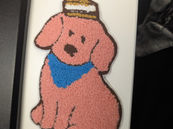
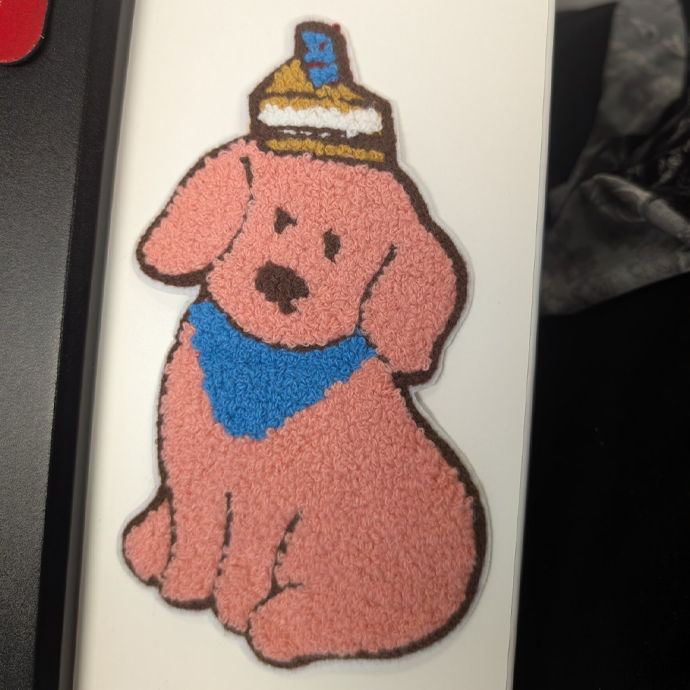
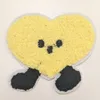
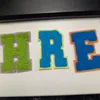
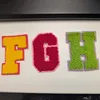
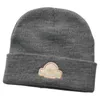
Chenille Fabric is a heat-transferred patch made of textured, fuzzy material. The fabric is slightly raised off the product, creating a marginal 3D effect. The patches can be cut to any shape and are a unique branding method sure to catch the eye.
Advantages:
Unique fuzzy material
Slightly raised, 3D effect
Can be cut to any shape
Best for large, solid areas of colour
Limitations:
Up to 4 colour limit. (More colours can be added depending on the complexity of the design.)
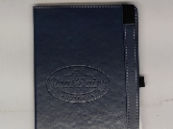
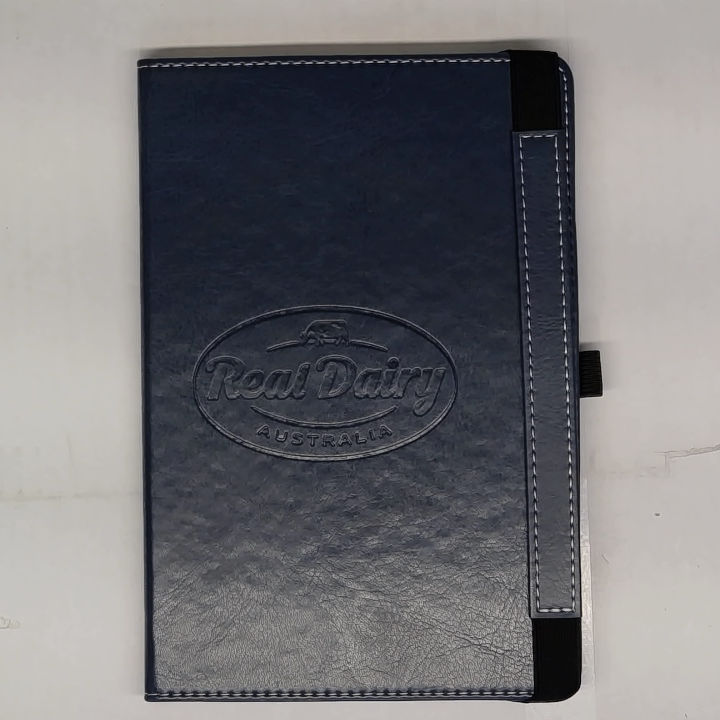
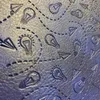
Debossing is the process of firmly pressing a heated custom metal plate onto the product, leaving an impression of your artwork. It leaves a stamped indentation of your artwork in the same colour as the product, or a two tone effect on certain products.
Advantages:
Gives a higher perceived value than other forms of branding
The branding becomes part of the product and is permanent
The product can be shipped as soon as heat pressing is finished
Limitations:
Unable to print variable data such as individual naming
Cannot produce photos
Design will be the colour of the product or a two tone colouring
Debossing is the process of firmly pressing a heated custom metal plate onto the product, leaving an impression of your artwork. It leaves a stamped indentation of your artwork which can then be filled with ink of any colour.
Advantages:
Gives a higher perceived value than other forms of branding
The indentation minimises the ink wearing off
Limitations:
Unable to print variable data such as individual naming
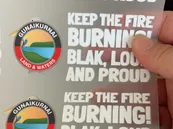
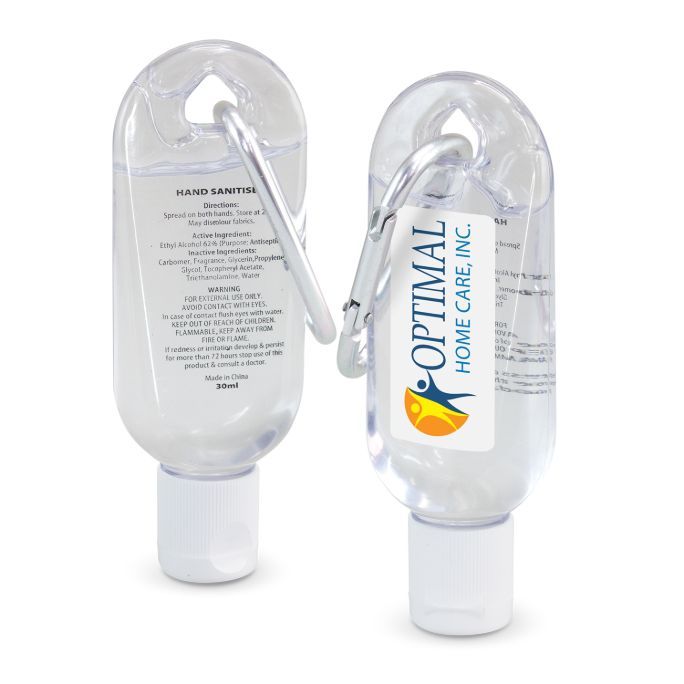
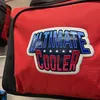
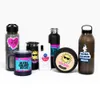
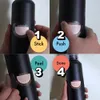
Digital adhesive labels are used to brand products that cannot be branded with any other method. They are printed with a digital printing press and applied to the product like a sticker or label.
Advantages:
Ideal for producing vivid full colour images
Can print variable data including individual names
Only one set up charge is required regardless of the number of print colours
Edge-to-edge branding can be achieved
Can be cut to custom shapes
Limitations:
Metallic and neon/fluorescent colours cannot be produced
Care Instructions:
Avoid exposure to moisture
Do not scrub, scratch or pick the label
Direct sunlight can cause fading
Wipe gently with a dry or slightly damp soft cloth if necessary
Do not use abrasive cleaners or cloths
Note: Label may show signs of wear with prolonged use or exposure to harsh conditions
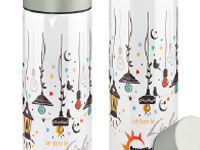
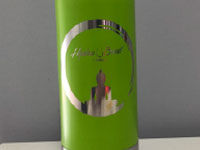
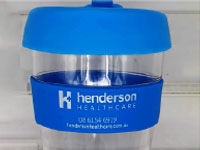
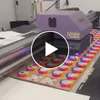
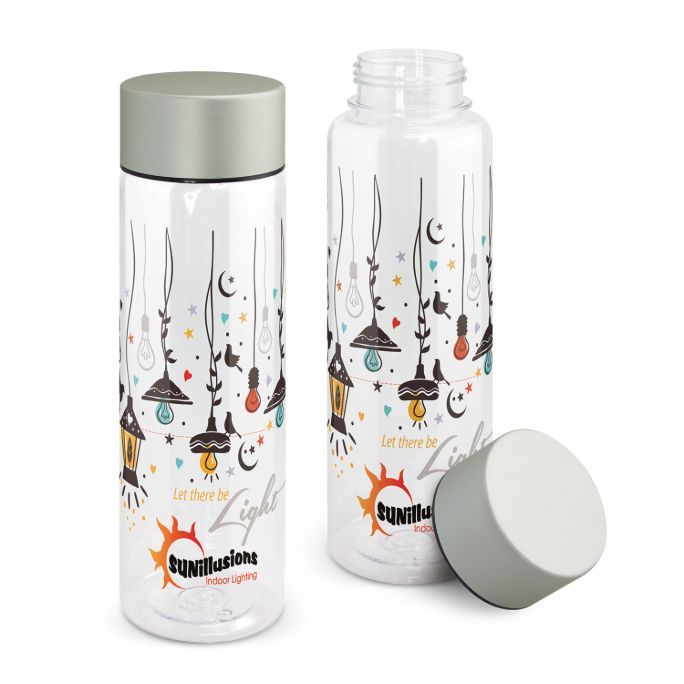
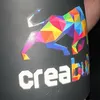
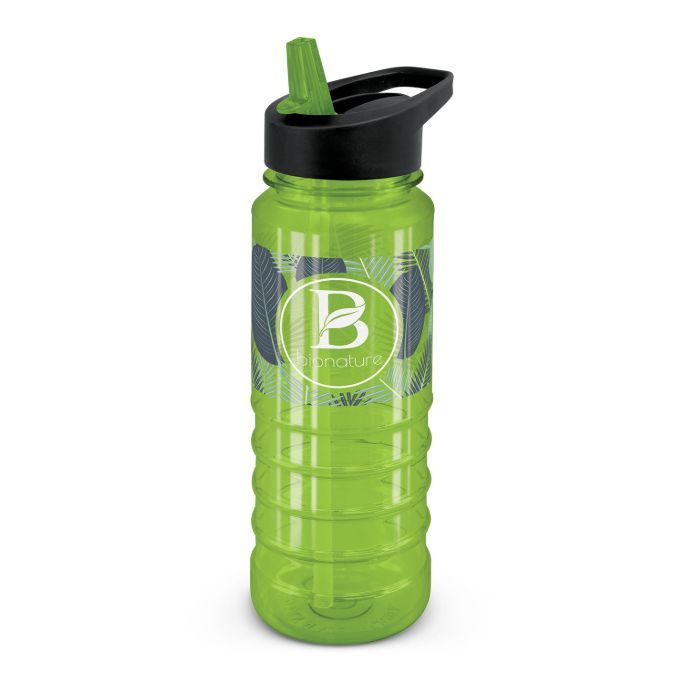
Direct to product digital wrap printing involves the transfer of UV ink directly from inkjet print heads and can be used to produce detailed full colour branding on curved products.
Advantages:
Ideal for large or complex full colour prints or photos
The print is dry and ready to ship as soon as the product is printed.
Only one setup charge is required regardless of the number of print colours.
No loss of print vibrancy, even on darker products
Limitations:
Cannot produce metallic and neon/fluorescent colours
As the print does not wrap completely around the product, there is a small gap between the start and end of the print
More expensive than other branding options
Care Instructions:
Hand wash only, with mild detergent (where applicable, e.g., drink bottles)
Do not use abrasive cleaners or cloths
Wipe gently with a soft, damp cloth when necessary
Avoid prolonged direct sunlight and high heat to prevent fading
Note: Durable alternative for complex and full-colour designs on products
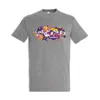
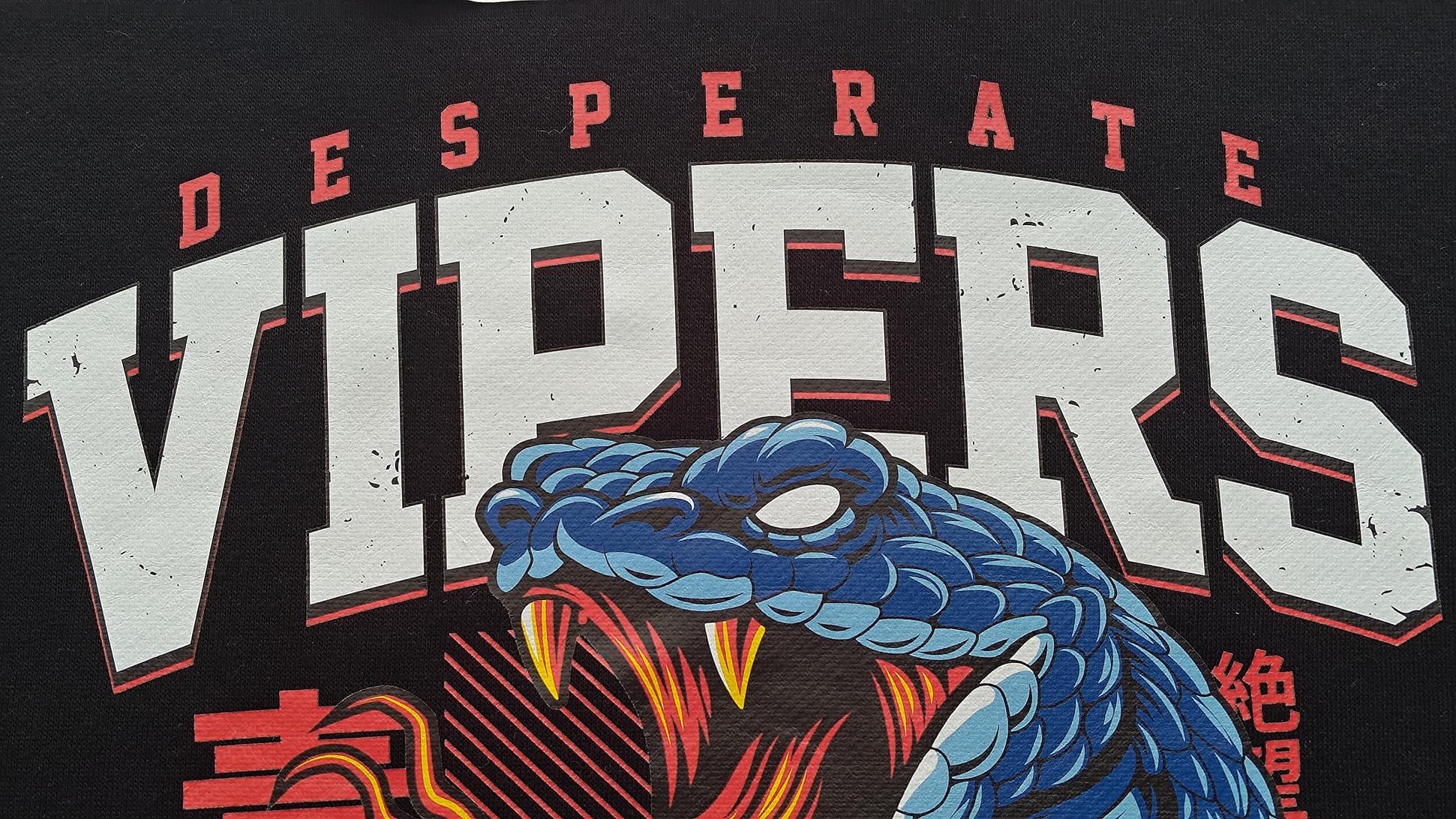
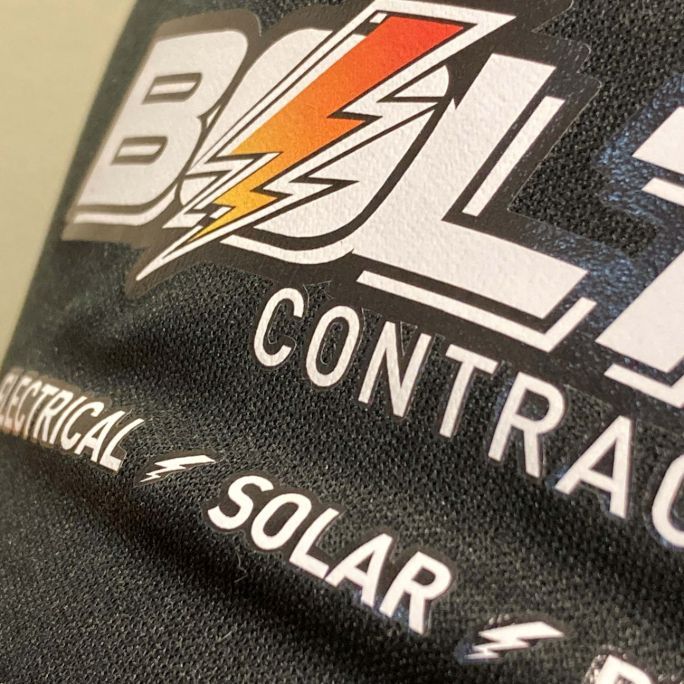
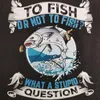
Direct to Film is a robust sticker-like process that can be applied on coarse fabrics. It has a matte finish.
Advantages:
Ideal for producing full colour, complex images including photos
Durable and flexible for apparel that is machine washable
Only one set up charge is required regardless of the number of colours in the design
Can achieve small or fine details
Limitations:
Cannot produce metallic or neon/fluorescent colours
Cannot match to Pantone (PMS) colours
A thin border may be required around particularly small or thin details in a design to create more surface area for better adhesion to the product
Slightly darker thin edge may be visible around the design
Direct to Film
Embroidery
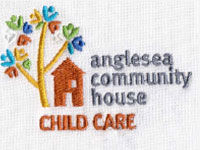
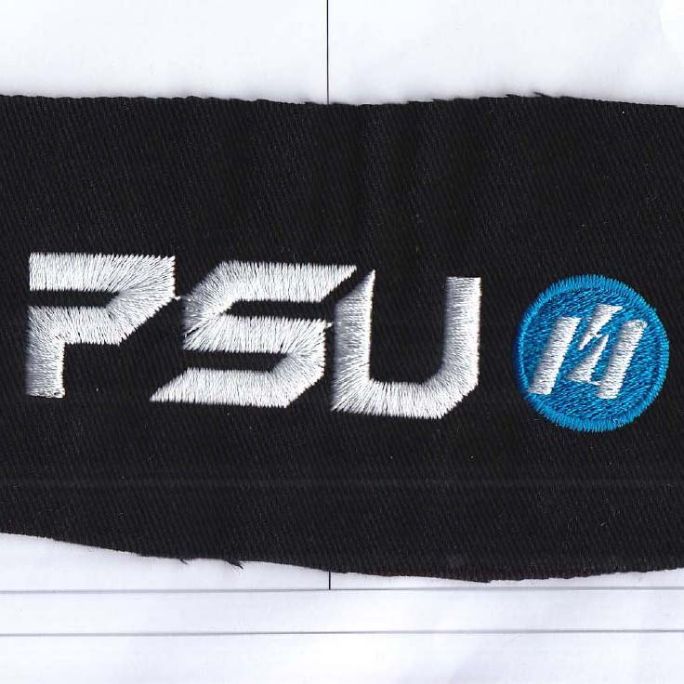
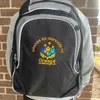
Embroidery uses thread and is priced by the number of stitches needed to produce your design. The smaller or less-detailed your branding, the fewer stitches are required, and your price will be lower. Embroidery is commonly used for pocket-sized branding on garments, hats or other textile items.
Advantages:
Multi-colour designs do not incur additional setup or per-item costs
Higher perceived-quality finish in the eyes of many
Able to produce individual names on garments
Metallic gold and silver threads are available
Equally suitable for garments & headwear
Limitations:
Cannot produce gradients
Cannot produce photos
Not suitable for fine detail, small text or thin fonts
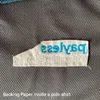
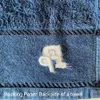
Backing paper is visible on garments such as scarves and towels
Please note:
Backing Paper will always be on the backside of all embroidery. Depending on the position of the embroidery, the backing paper may or may not be visible on the finished product EG. Backing Paper is hidden inside a polo shirt, but would be visible on other side of a towel. Backing Paper is used to stabilise the fabric, which are always stretched to some degree. After the backing paper is attached, the fabric will become stronger and embroidery quality is better. It also helps protect the fabric itself. When needles are punching at high speed, they cause strong pulling effect to the fabric. Backing paper is like a cushion, absorbing the pulling effect.
Care Instructions:
Gentle machine wash cold with mild detergent
Do not bleach
Tumble dry not recommended; hang to dry and avoid direct sun
Iron inside out; avoid steam, high heat and prolonged ironing
Do not use abrasive cleaners or cloths
Note: Durable and long-lasting; ideal for regular laundry
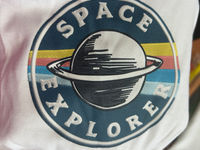
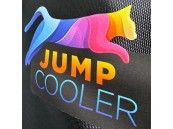
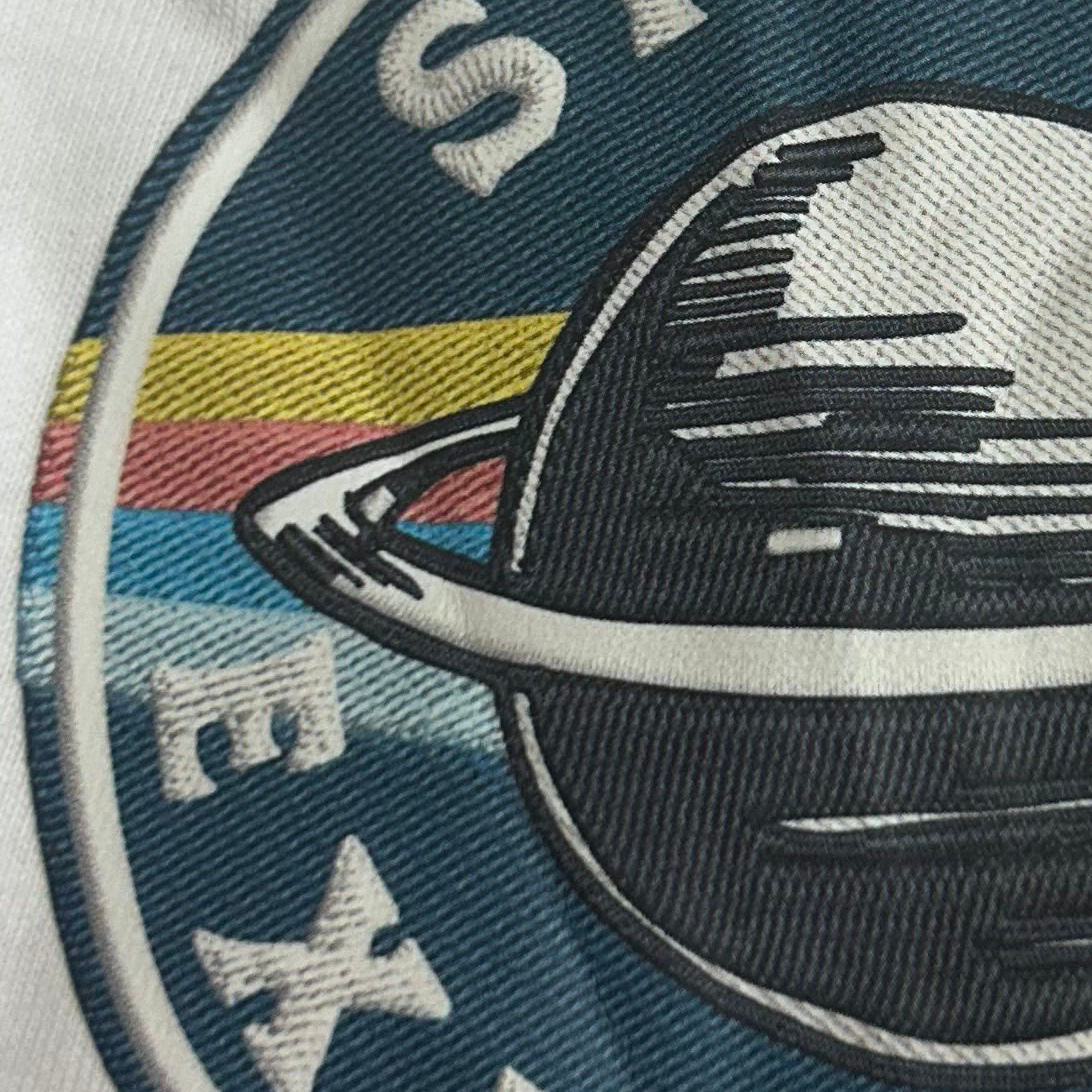
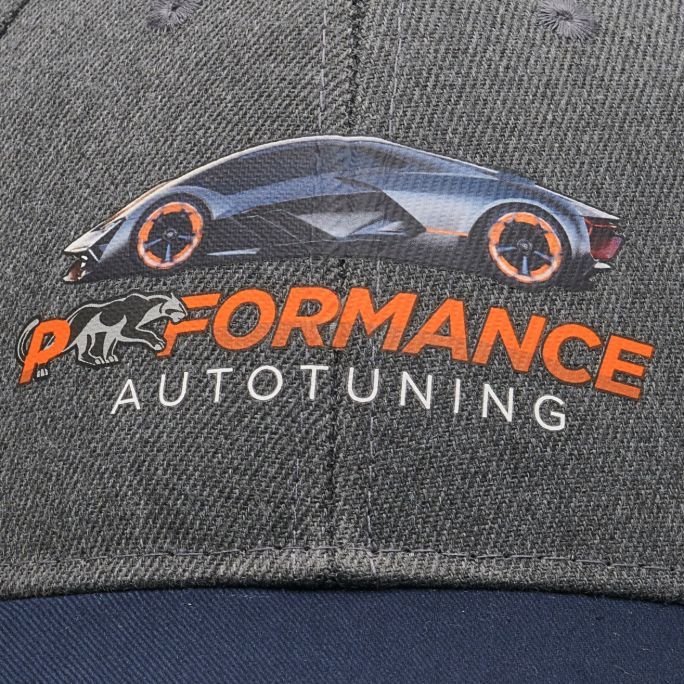
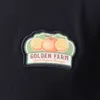
Faux embroidery is a type of flat transfer/sticker that is made from water based inks and has a smooth touch with a matte finish. However a special effect is applied to the logo to make it look like it’s been embroidered.
Advantages:
Fast to produce
Smooth, flat finish
Ideal for producing full colour, detailed logos
Durable and flexible for apparel that is machine washable
Only one set up charge is required regardless of the number of print colours
Can be shipped straight after being printed
Limitations:
Cannot produce metallic or neon/fluorescent colours
A thin, clear line of glue can sometimes be seen around the edges of the image
Elements in the logo may look bolder after the special ‘embroidery’ effect is applied
Care Instructions:
Wash inside out
Gentle machine cold wash with mild detergent
Tumble dry not recommended; hang to dry and avoid direct sun
Iron inside out; avoid steam, high heat and prolonged ironing
Do not bleach
Do not use abrasive cleaners or cloths
Note: Excessive heat & inappropriate washing will deteriorate the print much quicker
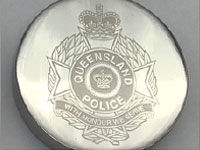
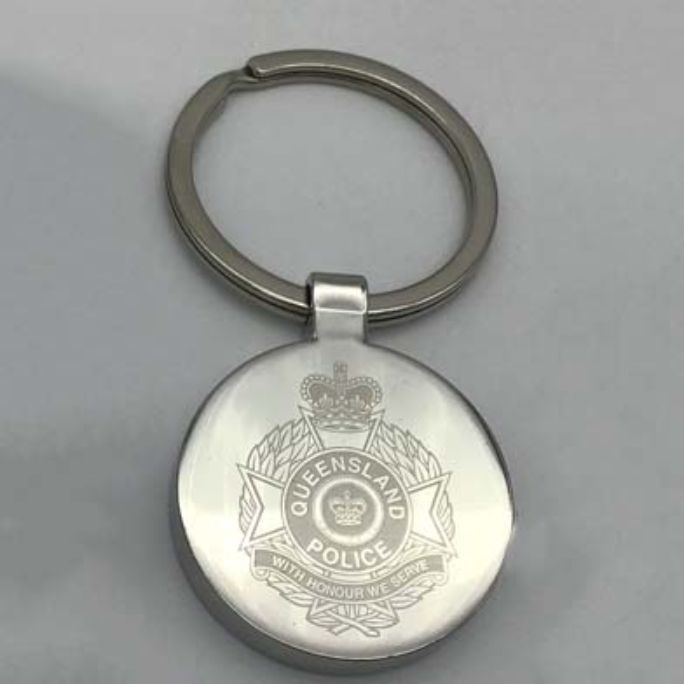
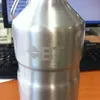
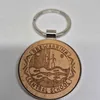
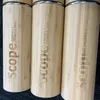
Laser Engraving etches away the outer surface of metal products to reveal the inner-layer. Sometimes the surface colour is a different colour to the inner metal that becomes exposed when etched. Your branding will show in the colour of the inner metal.
Advantages:
The branding becomes part of the surface and is permanent
Can be used on curved or uneven products
The product can be shipped as soon as the engraving is finished
Engraving increases the perceived value of items because of the professional finish
Limitations:
The size of branding areas is limited, especially on curved surfaces
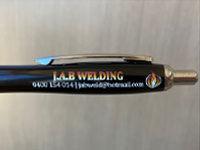
Fine details can be lost on smaller products such as pens
Branding colour cannot be chosen as it is dependent on the inner material of the product
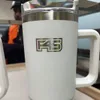
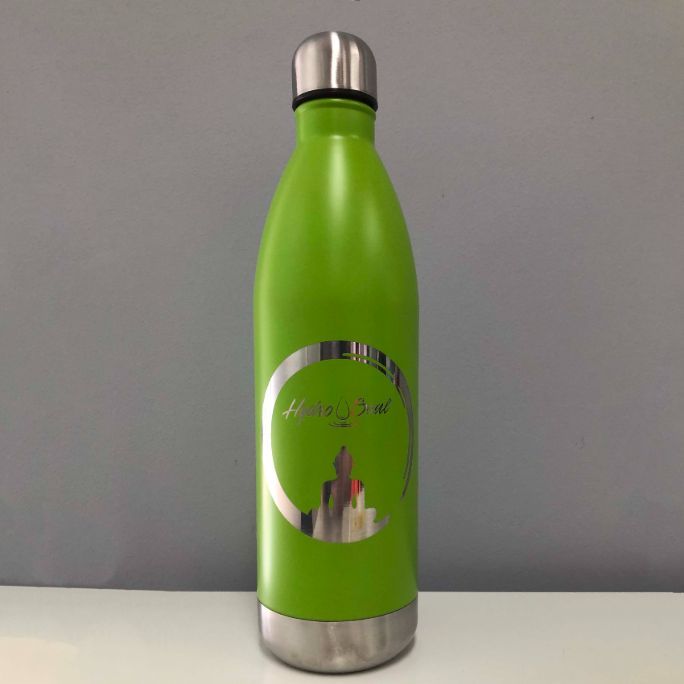
Certain products have a layer of mirror like material underneath the outside layer. Mirror Finish engraves into the product, removing the outside layer to reveal the mirror like material in the shape of your design.
Advantages:
Gives a higher perceived value than other forms of branding
The branding becomes part of the surface and is permanent
Can be used on curved or uneven products
The product can be shipped as soon as the engraving is finished
Limitations:
The size of branding areas is limited, especially on curved surfaces
Fine details can be lost on smaller products such as pens
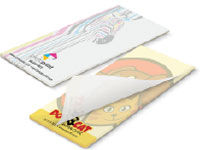
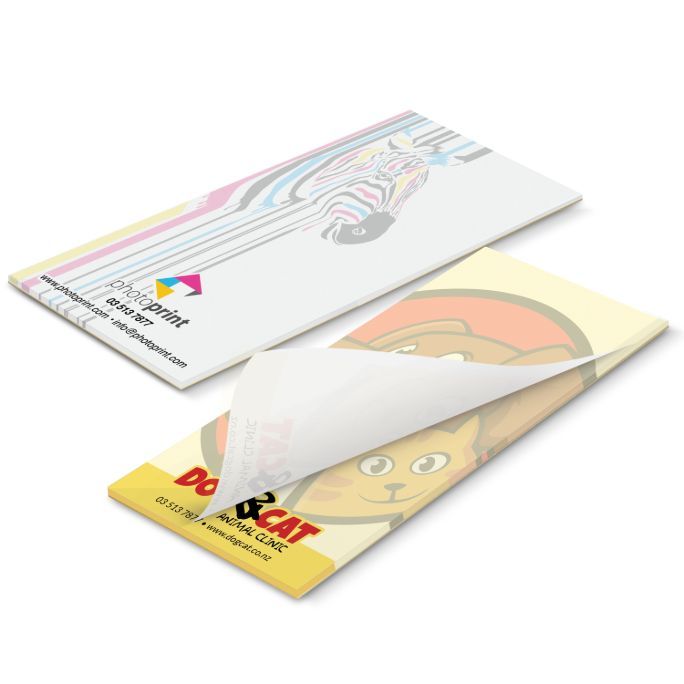
Offset printing is where the artwork is transferred from an inked plate onto the surface of the product. This method is used for paper products such as note pads, business cards and brochures.
Advantages:
Ideal for producing full colour, complex images including photos
Edge-to-edge branding can be achieved
Limitations:
Metallic and neon/fluorescent colours cannot be produced
Care Instructions:
Avoid exposure to moisture
Direct sunlight can cause fading
Wipe gently with a dry cloth if necessary
Do not use abrasive cleaners or cloths
Note: Not designed for prolonged exposure to friction, moisture or heavy use
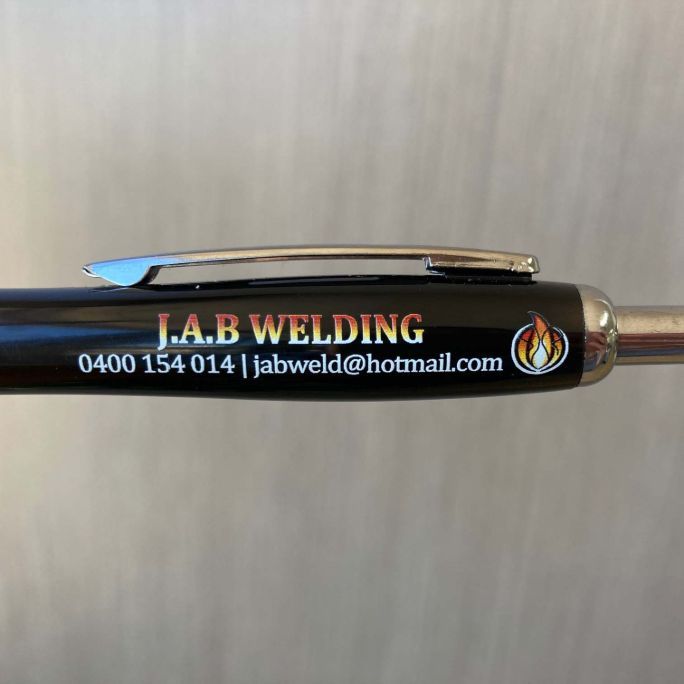
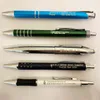
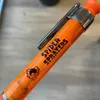
Pad printing uses a silicone pad to stamp an image onto a product using a laser etched printing plate. It uses ink and is priced by the number of colours in your design. For each colour in your branding, we make 1 plate (very much like a stencil). The fewer colours in your design, the fewer plates we need to make, and your price will be lower. Pad print is commonly used on small, non-flat products like golf balls, mugs or pens.
Advantages:
Ideal for printing on curved or uneven products
Branding can be any solid colour
Branding has clean, crisp edges
Metallic gold and silver inks are available
Close PMS (Pantone) matches are possible
Limitations:
A set up charge is required for each colour in your branding
Unable to print variable data
Cannot print photos
The size of branding areas is limited, especially on curved surfaces
Minor print distortion may occur on uneven or curved surfaces
Pad print inks require an overnight curing period before the product can be shipped which adds to lead time
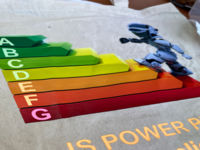
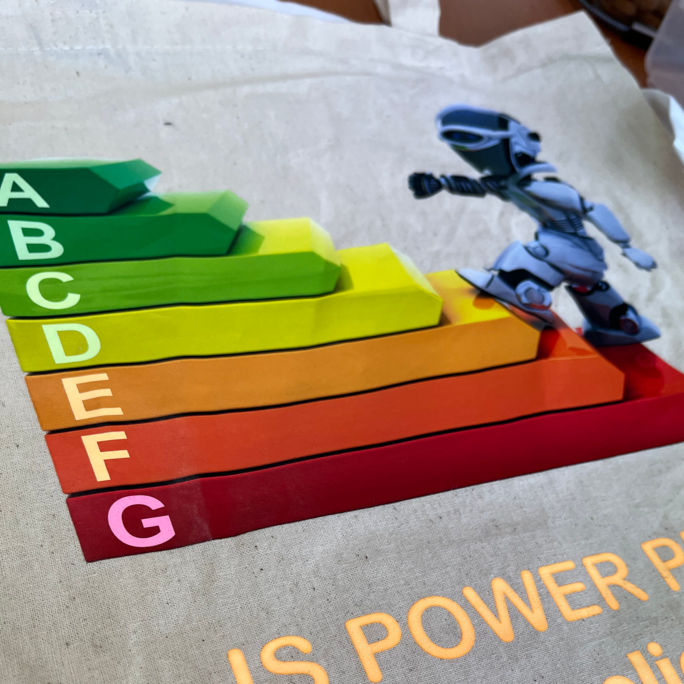
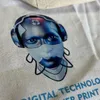
Power Print is a robust sticker-like process that can be applied on coarse fabrics. It has a matte finish.
Advantages:
Ideal for producing full colour, complex images including photos
Durable and flexible for apparel that is machine washable
Only one set up charge is required regardless of the number of colours in the design
Can achieve small or fine details
Limitations:
Cannot produce metallic or neon/fluorescent colours
Cannot match to Pantone (PMS) colours
A thin border may be required around particularly small or thin details in a design to create more surface area for better adhesion to the product
Care Instructions:
Wash inside out
Gentle machine cold wash with mild detergent
Tumble dry not recommended; hang to dry and avoid direct sun
Iron inside out; avoid steam, high heat and prolonged ironing
Do not use abrasive cleaners or cloths
Do not bleach
Note: Excessive heat & inappropriate washing will deteriorate the print much quicker
Power Print
Puff Print
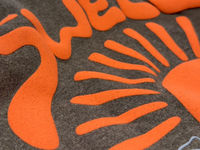
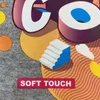
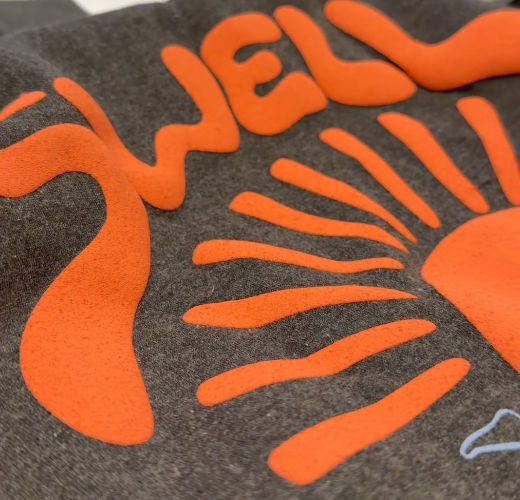
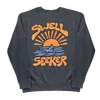
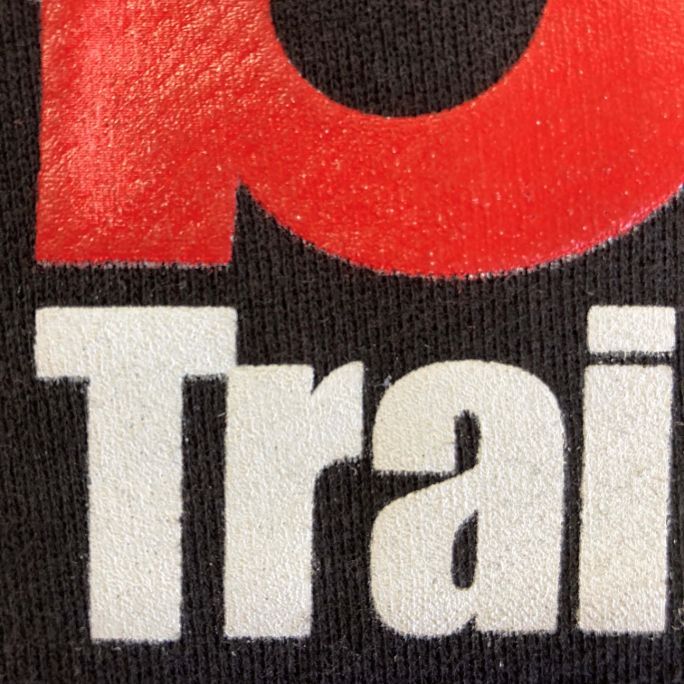
Puff Print is a specialty Screen Print process used for branding apparel. Puff Print uses a special ink which expands during curing to create a raised, textured, three-dimensional finish. Puff Print is best suited to bold logos, large typography, and simple graphic elements where a tactile look is desired.
Advantages:
Adds a retail-style finish to garments.
Produces a highly tactile and eye-catching result.
Can be combined with one colour Screen Print to add dimension to your design.
Durable and long-lasting branding process.
Limitations:
Can only print 1 colour
Not suitable for fine detail, thin lines, or gradients.
Small text and tight spacing may close during Puff Print expansion.
Exact colour matching cannot be guaranteed.
Puff Print expansion can vary slightly across different garment types.
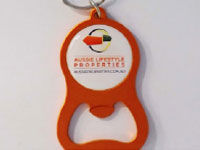
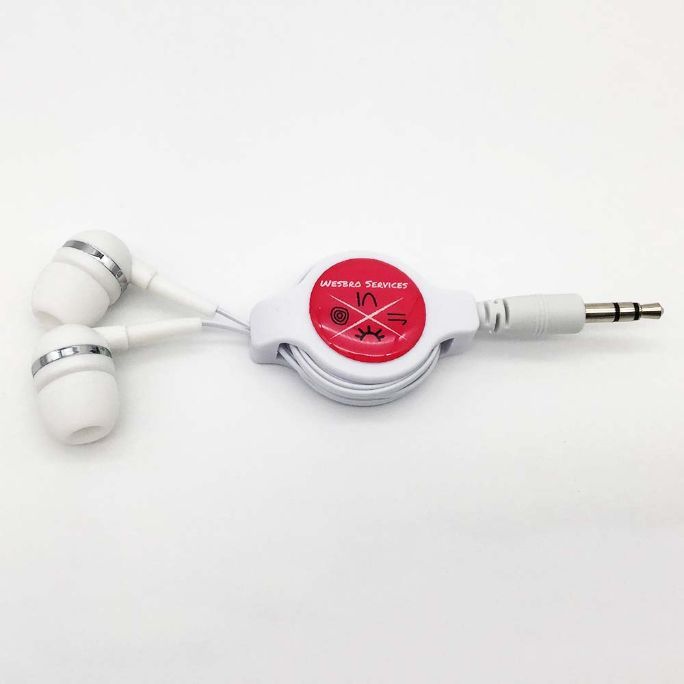
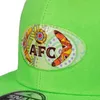
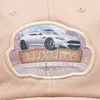
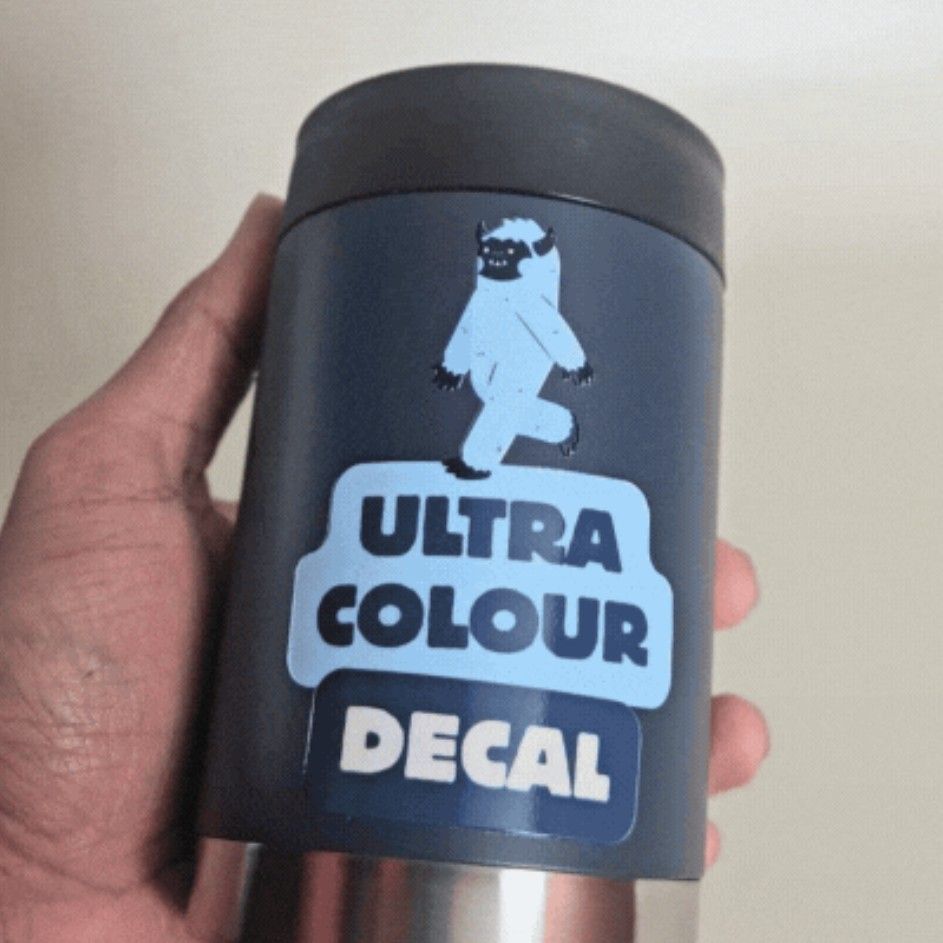
This CMYK branding process is produced by printing artwork onto a vinyl material with strong adhesive on the reverse. The branded area is then coated with a crystal-clear resin. Once dry, the finished decal is applied to the product and the adhesive forms a permanent bond.
Advantages:
Ideal for producing vivid full colour images or photos
Produces a stunning 3D effect that elevates the perceived value of a product
Can print variable data including individual names
Edge-to-edge branding can be achieved on the resin coated area
Only one set up charge is required regardless of the number of print colours
Limitations:
Larger print areas can be more expensive
Metallic and neon/fluorescent colours cannot be produced
The resin needs to be cured for one day before shipping the product
Care Instructions:
Wipe gently with a dry or slightly damp cloth if necessary
Do not use abrasive cleaners or cloths
Do not expose to high heat or prolonged direct sunlight
Note: High gloss, durable finish; handle with care to prevent scratches
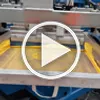
Screen Print uses ink and is priced by the number of colours in your design. For each colour in your branding, we make 1 screen (very much like a stencil). The fewer colours in your branding, the fewer stencils we need to make, and your price will be lower. Screen Print is commonly used for large designs with a single print colour.
Advantages:
Branding can be any solid colour
Large print area
Print has clean, crisp edges
Ideal for large solid areas of colour
Metallic gold and silver inks are available
Close PMS (Pantone) colour matches are possible
Limitations:
A set up charge is required for each colour in your branding
Unable to print variable data (eg. Individual names)
Cannot print photos
Cannot be used on headwear or polar-fleece
Care Instructions:
Wash inside out
Gentle machine cold wash with mild detergent
Tumble dry not recommended; hang to dry and avoid direct sun
Iron inside out; avoid steam, high heat and prolonged ironing
Do not use abrasive cleaners or cloths
Do not bleach
Note: Avoid harsh chemicals to preserve print vibrancy
Sublimation print uses heat to enable certain white products to be branded in full colour with a special dye that absorbs into the top layer of the product. Sublimation branding looks like a part of the product with no ink build-up.
Advantages:
The branding size typically fills a significant area on the product, and can reach from edge to edge on certain products
Can print photos
Unlimited number of colours or gradients
Limitations:
Can only be used on specially coated white products
Cannot print metallic colours such as metallic gold or silver
When printing large images some minor imperfections may appear in the branding or around the edges of it.
Care Instructions:
Hand wash only, with mild detergent (where applicable, e.g., drink bottles)
Do not use abrasive cleaners or cloths
Avoid prolonged direct sunlight and high heat to prevent fading
Wipe gently with a soft, damp cloth when necessary
Note: Durable finish that may gradually fade with UV or abrasive exposure
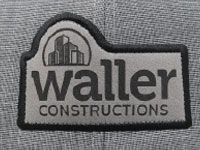
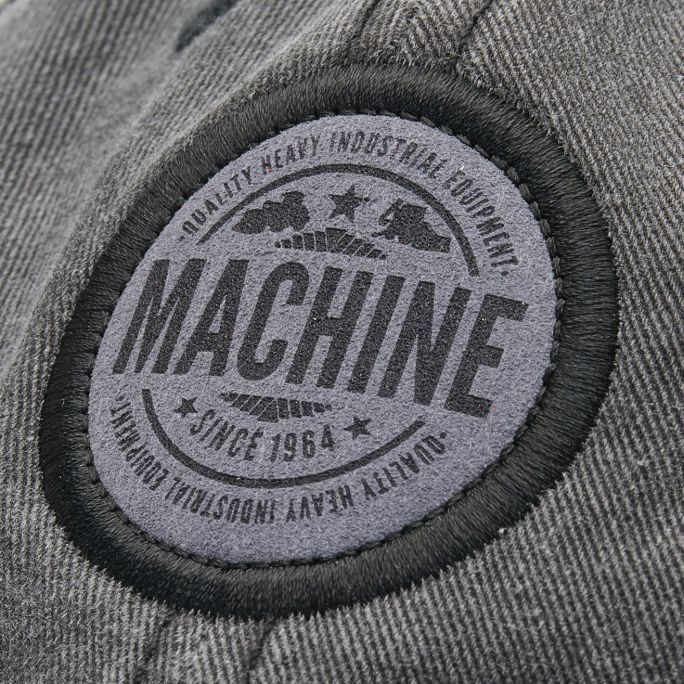
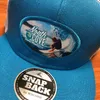
The laser-etched suede patch is laser-cut then overlocked/stitched onto the product. Products like headwear, bags, blankets, beanies and scarves are suitable for SupaEtch.
Advantages:
11 different suede colours available
Can choose the colour of the surrounding stitching thread
Gives a higher perceived value than other forms of branding
Stylish tone on tone look
Limitations:
Only available on certain products
Design will be a single colour
Branding colour cannot be chosen and is dependent on which colour suede is chosen
Care Instructions:
Wash inside out
Gentle machine cold wash with mild detergent
Tumble dry not recommended; hang to dry and avoid direct sun
Iron inside out; avoid steam, high heat and prolonged ironing
Do not bleach
Wipe gently with a soft, damp cloth when necessary
Do not use abrasive cleaners or cloths
Note: The lasering of the patch combined with Embroidery creates a highly durable finish
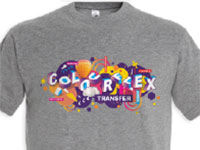
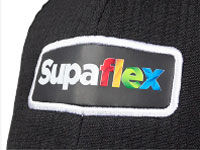
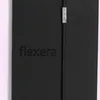
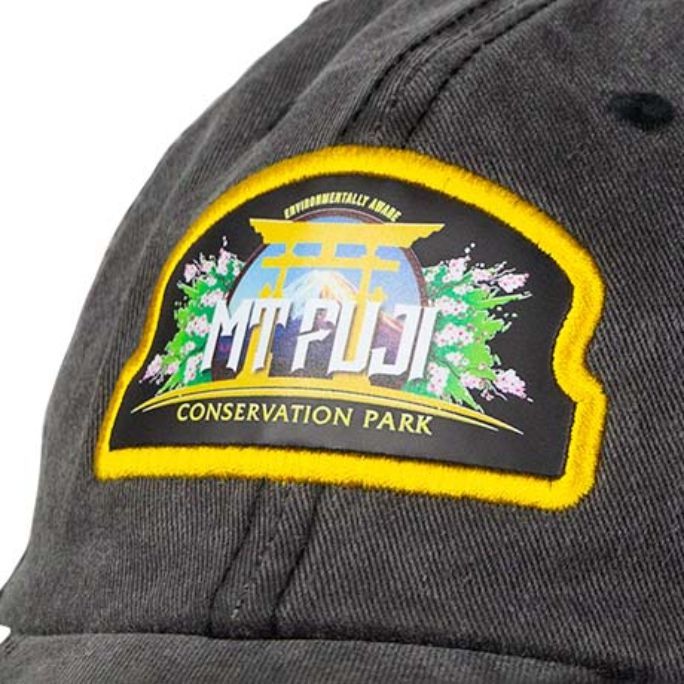
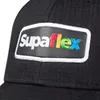
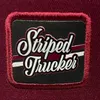
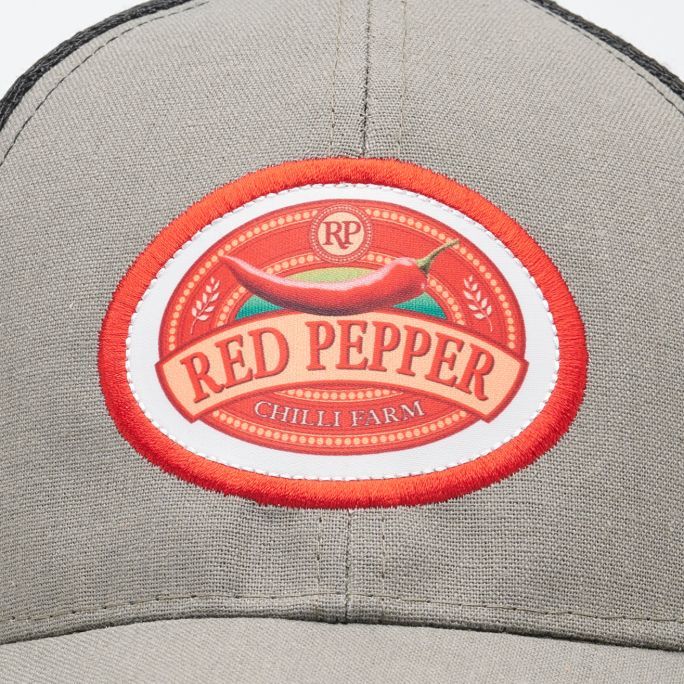
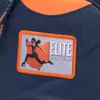
SupaFlex incorporates a printed design onto a vinyl patch, which is then stitched onto the product. The printed design is available in gloss or matte finish.
Advantages:
9 different vinyl background colours available, all slightly textured
Ideal for producing vivid full colour images
Edge-to-edge branding can be achieved
Choice of gloss or matte finish
Vinyl patch can be any shape
Can choose the colour of the surrounding stitching thread
Limitations:
Only available on certain products
Cannot produce metallic or neon/fluorescent colours
Limited dimensions
Care Instructions:
Wash inside out
Gentle machine cold wash with mild detergent
Tumble dry not recommended; hang to dry and avoid direct sun
Iron inside out; avoid steam, high heat and prolonged ironing
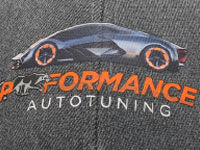
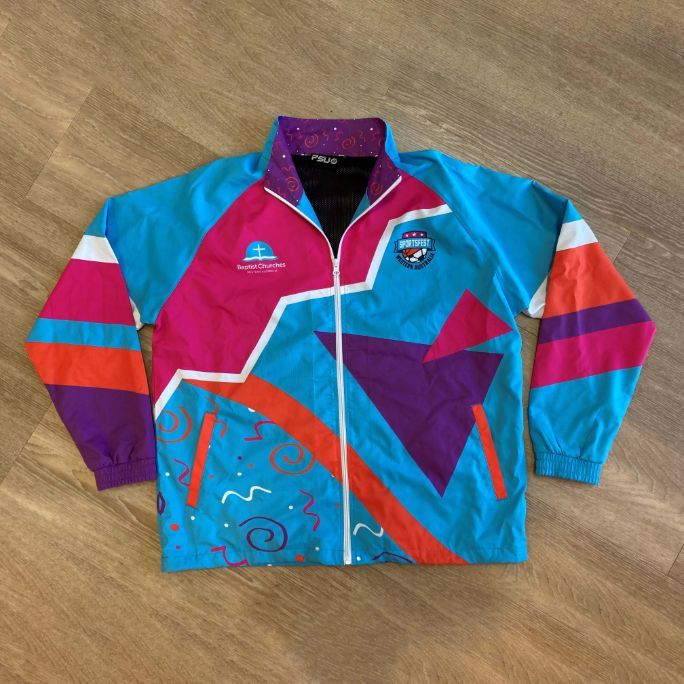
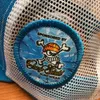
Supasub is the process of repeatedly printing your design onto polyester fabric and then cut-and sewing the printed design patches onto a garment or headwear with an overlocked border.
Advantages:
Can print photos
Unlimited number of colours or gradients
Multi-colour designs do not incur additional setup or per-item costs
Can be used on garments and headwear
Lightweight feel compared to embroidery
Limitations:
Can’t produce metallic colours such as metallic gold or silver
Small or fine details in artwork can be lost or appear slightly blurry
Only available on certain garments. Just ask our team about Supacolour and they will recommend what garments are best suited.
Care Instructions:
Wash inside out
Gentle machine wash cold with mild detergent
Tumble dry not recommended; hang to dry and avoid direct sun
Iron inside out; avoid steam, high heat and prolonged ironing
Wipe gently with a soft, damp cloth when necessary
Do not bleach
Do not use abrasive cleaners or cloths
Note: Combines Sublimation and Embroidery for longevity branding
Screen Print uses ink and is priced by the number of colours in your design. For each colour in your branding, we make 1 screen (very much like a stencil). The fewer colours in your branding, the fewer screens we need to make, and your price will be lower. Screen Print is commonly used for large designs with a single print colour.
Advantages:
Branding can be any solid colour
Large print area
Branding has clean, crisp edges
Ideal for large solid areas of colour
Metallic gold and silver inks are available
Close PMS (Pantone) matches are possible
Limitations:
A set up charge is required for each colour in your branding