

Selecting the right polo shirt fabric before placing a bulk order directly affects staff comfort, brand consistency, and the long-term cost of your uniform program.
The wrong fabric for your environment results in garments that wear out quickly, embroider poorly, or cause ongoing staff discomfort. This guide covers the practical differences between cotton, polyester, and poly-cotton blend polo shirts so you can make a confident decision for your team.
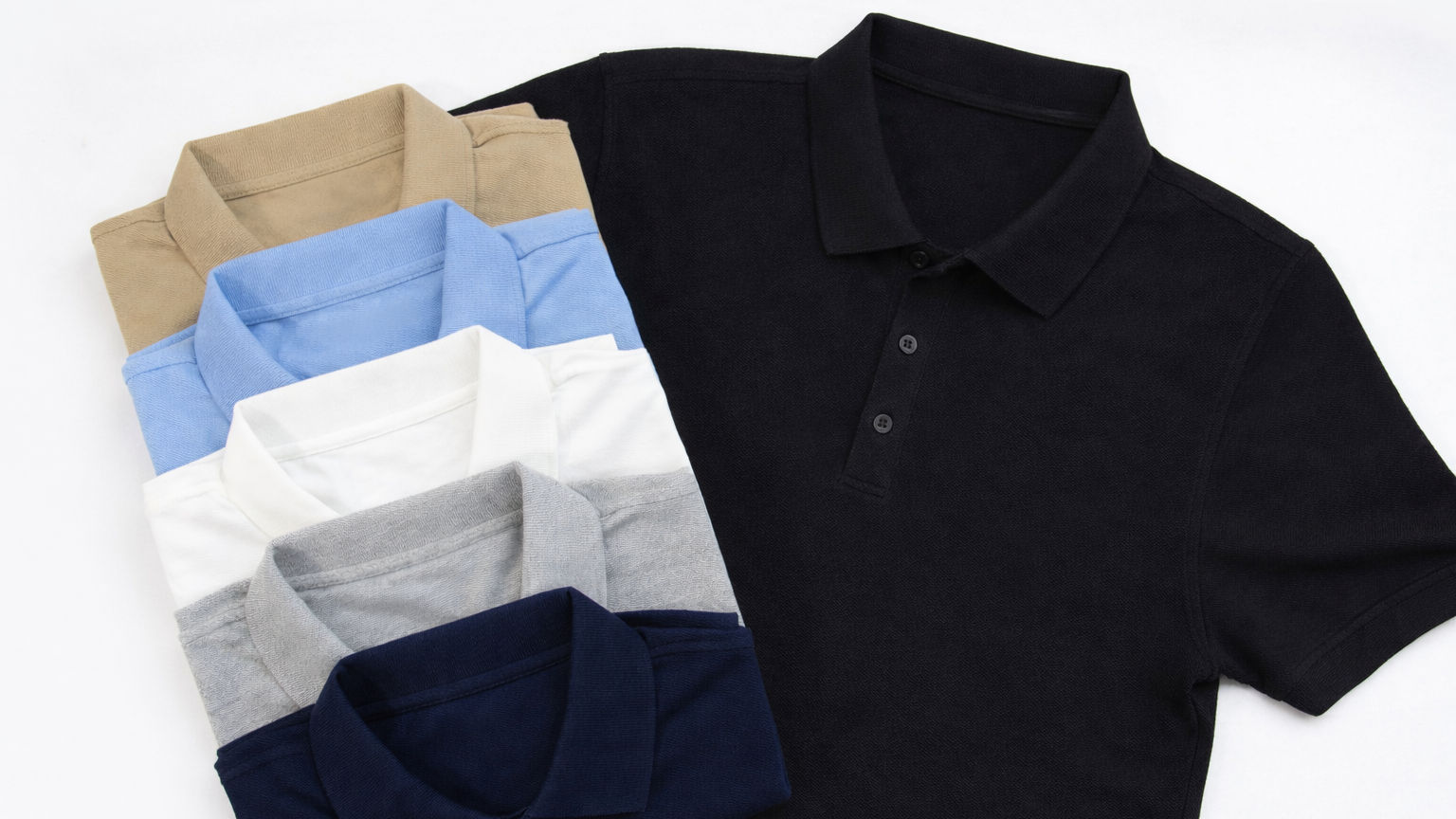
Cotton Polo Shirt Fabric:
Natural Fibre, Classic Feel
Cotton polo shirts are made from a natural fibre and remain the traditional choice for corporate and hospitality uniforms. Most styles use a cotton pique weave, which gives the fabric its structured texture and familiar professional appearance.
Where cotton fabric performs well
- Breathability: Cotton allows air to circulate freely, making it comfortable in air-conditioned or low-activity settings.
- Softness: Natural fibre feels comfortable against the skin, particularly for staff wearing polos through a full shift.
- Embroidery: The stable pique weave holds stitching cleanly, making cotton one of the most reliable substrates for branded custom workwear.
Where cotton fabric falls short
- Wrinkling: Cotton creases easily, particularly when tumble-dried, which can affect presentation consistency across a large team.
- Shrinkage: Cotton can shrink 3 to 5 percent in the first few washes if not pre-shrunk at manufacture.
- Fading: Colour fades faster under regular commercial laundering compared to synthetic alternatives.
- Moisture absorption: Cotton absorbs sweat rather than wicking it away, which becomes a limitation in physically active or outdoor roles.
Polyester Polo Shirt Fabirc:
Durability and Moisture Management
Polyester is a synthetic material engineered for performance. Polyester polo shirts move moisture away from the skin rather than absorbing it, keeping staff cooler and drier in high-heat or physically active conditions.
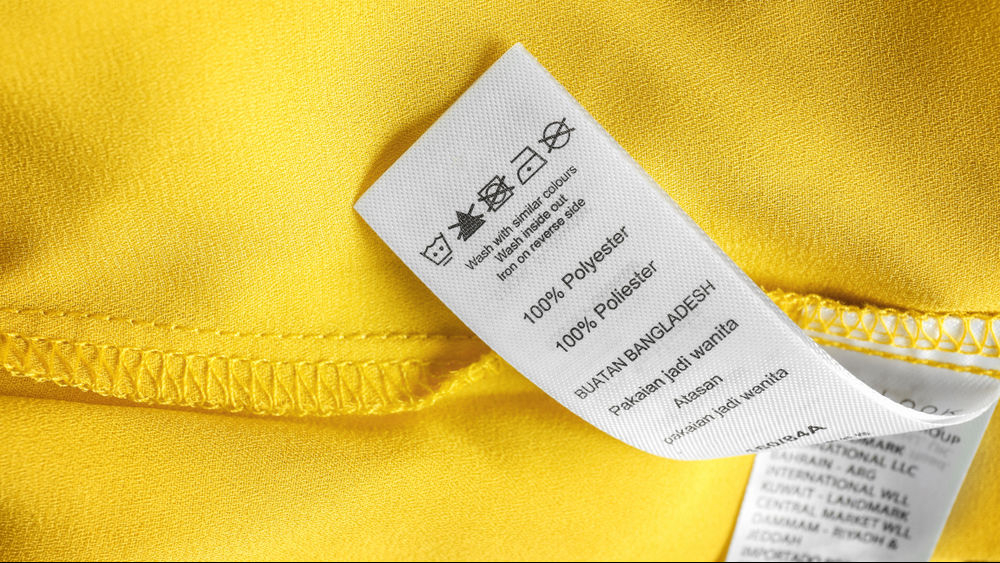
Where polyester fabric performs well
- Moisture-wicking: Draws sweat away from the body and dries quickly, a clear advantage for outdoor and active roles.
- Durability: Resists wear and tear through repeated commercial washing without losing shape or colour.
- Wrinkle resistance: Holds its structure after washing with little to no ironing required.
- Ease of care: Lower maintenance across large uniform programs where high wash frequency is the norm.
Where polyester fabric falls short
- Breathability: Can feel less comfortable against the skin in still, humid environments where airflow is limited.
- Embroidery heat sensitivity: Requires correctly calibrated digitising settings to avoid distortion during the embroidery process.
Polyester polo shirts suit outdoor workers, trades and construction teams, sports staff, and any role where daily physical activity and frequent laundering are standard.
Cotton polo shirts are best suited to office environments, client-facing hospitality roles, and corporate settings where appearance and comfort take priority. Browse our full range of custom polo shirts to compare available styles and fabric options.
Poly-Cotton Blend Polo Shirt Fabric:
One Fabric Across Mixed Teams
A poly-cotton blend combines cotton and polyester fibres in a single fabric. Common ratios are 65 percent polyester and 35 percent cotton, or an even 50/50 split.
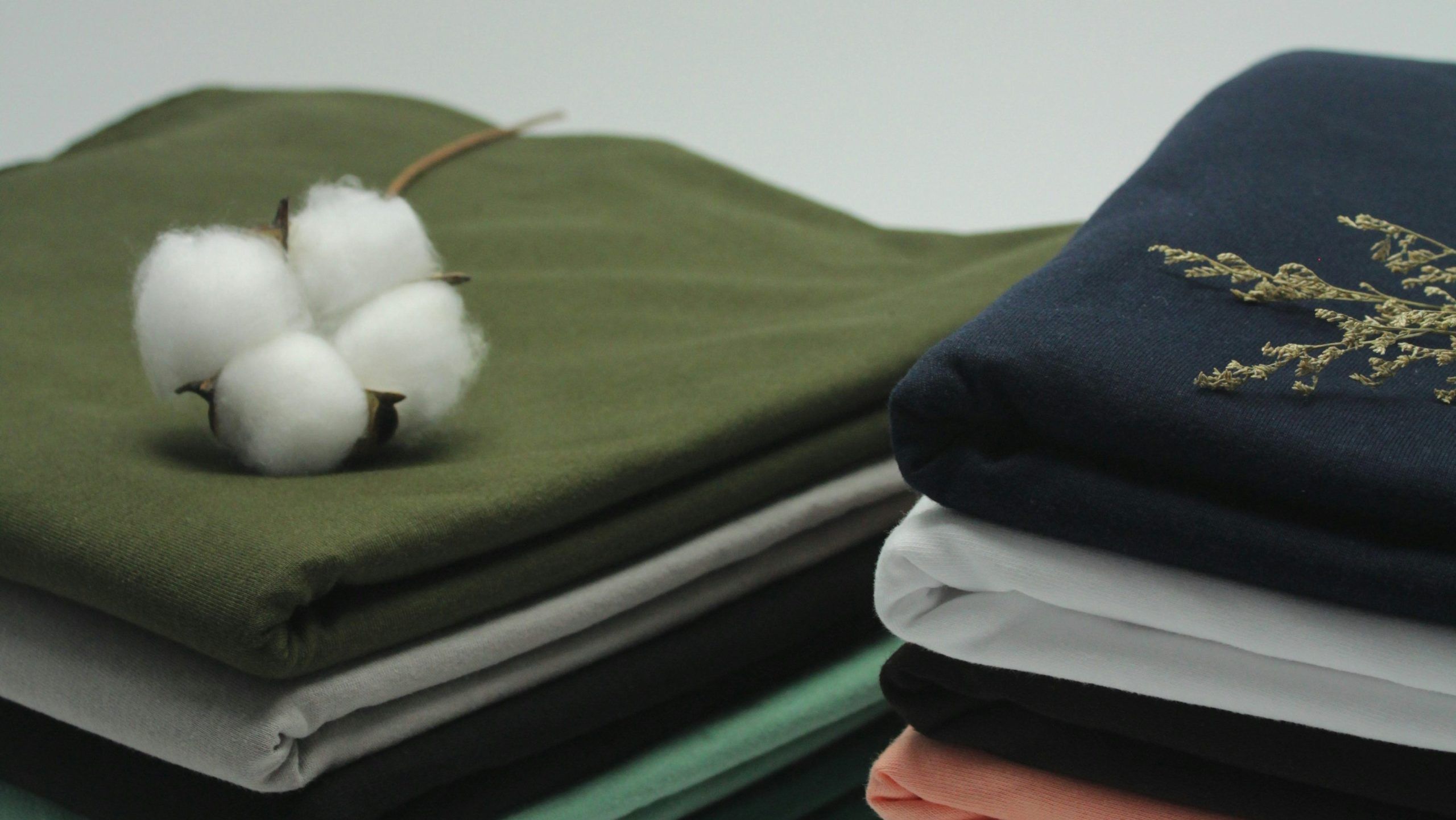
Why blends work well for most B2B orders
- Comfort: Softer feel than 100 percent polyester, with better shape retention than pure cotton.
- Durability: Resists wrinkling and shrinking, making it lower maintenance than cotton at scale.
- Embroidery: One of the most common and reliable substrates for embroidered corporate polos in Australian bulk orders.
- Cost: Typically lower than pure cotton at comparable quality, making blends practical for high-volume programs.
For organisations that need one polo style across departments with different working conditions, a poly-cotton blend removes the complexity of managing two separate garment types within a single uniform rollout. For teams that require a more formal option alongside their polo, our range of promotional shirts offers additional styles suited to client-facing and corporate roles.
Performance Under Australian Conditions
Australian workplaces span an exceptionally wide range of climates. Fabric choice has a direct effect on how staff present and perform throughout the working day.
High-heat and high-humidity environments
In Queensland, the NT, coastal WA, and northern NSW, moisture management is the primary concern.

Pure cotton absorbs perspiration and becomes progressively heavier through the day in sustained heat. Polyester and high-polyester blends wick moisture away and dry quickly, making them the more practical choice for outdoor workers, trades staff, and hospitality teams in uncooled spaces.
Cooler and temperate climates
In Victoria, South Australia, and the ACT, or in predominantly air-conditioned workplaces, cotton’s breathability and natural feel become more relevant than wicking performance.

A quality cotton pique polo in a climate-controlled environment will generally feel more comfortable than a synthetic alternative through a sedentary workday.
Mixed environments and seasonal variation
For businesses with staff across multiple environments, a mid-weight poly-cotton blend performs reliably in both conditions without requiring separate garment styles for different roles.
GSM and Polo Shirt Fabric Weight:
A Practical Guide
GSM stands for grams per square metre. It measures fabric weight and is one of the most useful specifications to understand when ordering polo shirts at volume.
| GSM Range | Classification | Best Application |
| 150 to 180 gsm | Lightweight | Active outdoor roles, warm climates, high-volume promotional polos |
| 180 to 210 gsm | Mid-weight | General corporate and hospitality uniforms, everyday office wear |
| 210 to 250 gsm | Heavyweight | Premium corporate uniforms, cooler climates, management and client-facing roles |
What GSM affects in practice
- Durability: Heavier fabrics hold up better through frequent washing and daily use.
- Appearance: Mid-to-heavyweight polos keep their structure throughout the day and look more considered than lightweight alternatives.
- Embroidery stability: Heavier fabrics resist puckering under dense stitch counts. Lightweight fabrics can distort on logos with significant coverage area.
For most Australian business uniform programs, a 180 to 210 gsm polo in a poly-cotton blend delivers the best balance of comfort, embroidery performance, and long-term durability.
When requesting a quote, confirm the GSM of the polo style you are considering. That figure tells you more about long-term performance than fabric composition alone.
Embroidery on Cotton vs Polyester Polo Fabric
For branded workwear, the fabric you choose directly affects embroidery quality and the production process. Not all polo shirt fabrics behave the same way under a commercial embroidery machine.
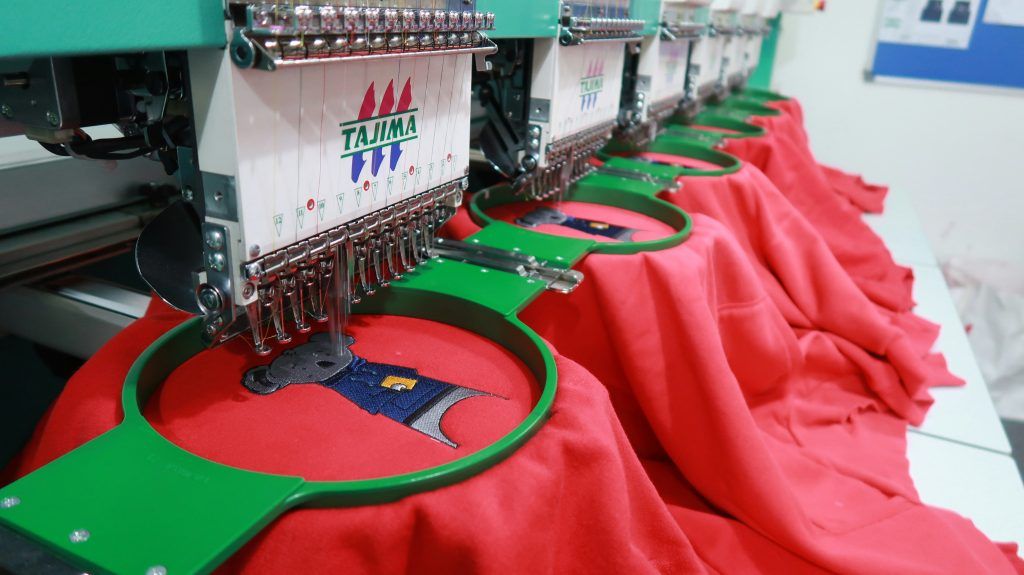
How each fabric handles embroidery
- Cotton pique: Widely regarded as the most reliable substrate for left-chest embroidery. The stable weave holds stitching cleanly and produces sharp results for logos with fine detail or multiple thread colours.
- Poly-cotton blends: Perform equally well and are the most common fabric used for embroidered corporate polos in Australian bulk orders.
- Polyester: Can be embroidered successfully, but your supplier’s digitising setup needs to account for the lower heat tolerance of synthetic fabrics. Incorrect settings can cause puckering or distortion on lightweight styles.
What to confirm with your supplier
When submitting artwork for a new embroidery order, tell your supplier the fabric type and GSM of the garment. Thread density settings and backing material requirements differ across substrates. Providing this information upfront avoids production corrections that delay your order.
Cotton vs Polyester Polo Shirts:
Key Differences at a Glance
| Factor | Cotton | Polyester | Poly-Cotton Blend |
| Breathability | High | Moderate | Moderate to High |
| Moisture management | Absorbs | Wicks away | Moderate |
| Durability (daily wear) | Moderate | High | High |
| Wrinkle resistance | Low | High | Moderate to High |
| Embroidery suitability | Excellent | Good (care required) | Excellent |
| Ease of care | More demanding | Easy | Easy |
| Cost (relative) | Moderate to Premium | Budget to Moderate | Budget to Moderate |
| Best for | Office, corporate, hospitality | Trades, outdoor, active roles | Mixed teams, most B2B orders |
Thoughtful Uniform Choices and Workplace Morale
Fabric and GSM are practical decisions, but uniform choices carry weight beyond the specification sheet.
Staff who wear a polo that fits well, feels comfortable in their working environment, and looks professional are more likely to wear it consistently and take pride in their presentation.
Uniforms that are uncomfortable or poorly suited to the working conditions tend to be left in the locker. When the fabric decision reflects genuine consideration for how and where your team works, the result is a uniform program that staff buy into and a brand presentation that holds up in the field. If you are building out a broader uniform program, our full custom clothing range includes additional options beyond polo shirts.
Choosing the Right Polo Shirt Fabric for Your Organisation
The right fabric depends on your work environment, order volume, brand requirements, and how garments will be maintained.
Choose 100% cotton polo shirts if:
- Your team works in air-conditioned or low-activity environments
- A soft, natural feel is a priority for staff comfort and professional appearance
- Your uniform care process can accommodate cotton’s laundering requirements
Choose 100% polyester polo shirts if:
- Your team works outdoors or in physically demanding roles
- Durability through frequent industrial washing is the primary requirement
- Budget efficiency at volume is a key consideration
Choose a poly-cotton blend polo if:
- You need one shirt style across a mixed team or multiple departments
- You want reliable embroidery results with straightforward care
- You are ordering at volume and want the best overall balance of comfort, durability, and cost per unit
Ready to Place a Bulk Polo Shirt Order?
Before requesting a quote, have the following ready:
- Your logo in vector format (AI, EPS, or high-resolution PDF)
- The quantity you need and any pricing tier targets
- Required colours and Pantone references if applicable
- Your delivery deadline
- The working environment your team operates in
That information allows your supplier to recommend the right fabric, GSM, and style for your specific program. Contact Payless Promotions to discuss your uniform requirements and request a quote for embroidered polo shirts in cotton, polyester, or poly-cotton blend fabrics.
Frequently Asked Questions
Is cotton or polyester better for polo shirts worn in Australian heat?
Polyester or a poly-cotton blend is the better choice in hot, physically active conditions. Polyester wicks moisture away from the skin and dries quickly, while pure cotton absorbs sweat and can feel heavy through a warm working day. For air-conditioned office settings, cotton remains comfortable and breathable throughout the day.
Which polo shirt fabric is best for embroidery?
Cotton pique and poly-cotton blends are the most reliable substrates for embroidered polo shirts. Both hold their weave during stitching and produce clean results for left-chest logo placement. Polyester works well too, but requires correctly calibrated digitising to avoid distortion on lightweight styles.
What GSM should I choose for a bulk polo shirt order?
For most Australian business uniform programs, 180 to 210 gsm is the practical sweet spot. It delivers a structured appearance, handles embroidery well, and holds up through regular commercial washing. Lighter fabrics suit high-heat active roles; heavier fabrics suit premium corporate or management uniforms.
How long do embroidered polo shirts last with regular washing?
A quality embroidered polo should hold its appearance through 50 or more wash cycles when laundered correctly. Polyester and blend fabrics generally maintain their structure and colour longer than 100 percent cotton under high-frequency commercial washing conditions.
Can I use the same polo style across different departments?
Yes. A mid-weight poly-cotton blend polo is the most practical option for mixed teams. It performs reliably across both indoor and outdoor environments, embroiders consistently, and removes the complexity of managing multiple fabric types within one uniform program.
What is the minimum order quantity for embroidered polo shirts?
MOQs vary by supplier and style, but 12 to 24 units is a common starting point for embroidered polos in Australia. Pricing typically improves at 50 units and again at 100 or more units. Confirm MOQs and pricing tiers with your supplier before finalising your order size.
