
Sustainable business practices are the specific changes you make to energy use, waste, sourcing and the products you buy, aimed at lowering your costs and your environmental impact together. Start with one change, measure it, then build from there.
Most businesses already know sustainability matters. The harder part is knowing where to start without a big budget. That’s the gap this guide closes. We walk through how to audit what you’re already doing, where the fastest savings sit in energy and waste, and which products actually hold up once you put your logo on them.
Each section gives you one practical first step, not a list of theory.
What Are Sustainable Business Practices?
Sustainable business practices are the operational choices a business makes to reduce environmental harm, treat people fairly, and stay financially sound, all at once. In practice, that splits into three areas.
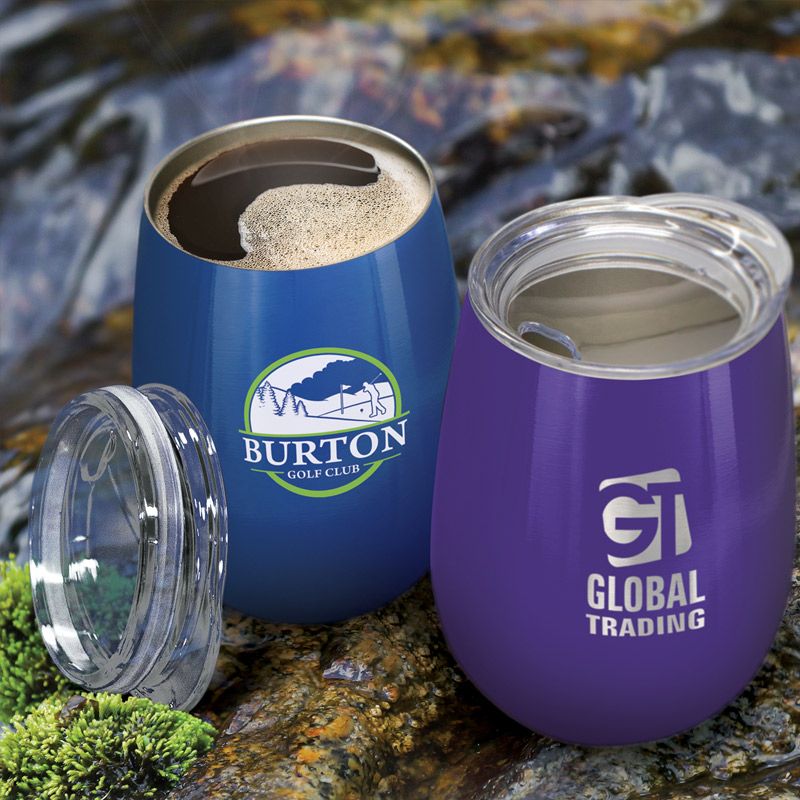
- Environmental: cutting the waste, energy and resources your business consumes, like swapping single-use cups for reusable drink bottles.
- Social: how you treat staff, suppliers and the community. At Payless, women hold the majority of our leadership roles, one practical example of this in action.
- Economic: choices that hold up financially over time, not just ones that sound good in a press release.
| Our Tip: Don’t try to tackle all three at once. Pick one practice from each area and start there, you can build out the rest once those stick. |
Why Sustainable Practices Are Good for Business
Sustainable practices are good for business because they lower running costs and build trust with the people you sell to, and that trust increasingly decides who gets the sale.
Lower running costs
Energy, waste and supply chain changes show up directly in your operating costs, often within the same financial year, not years down the track.
Stronger client trust
PwC’s 2025 Voice of the Consumer survey found 56 percent of Australians want to learn more about a company’s sustainability initiatives, even though only 35 percent will pay a premium for it. The real win is standing out and keeping the business you already have, not charging more for it.
Social Responsibility
A sustainable business can help conserve natural resources such as water, energy, and raw materials. By using resources more efficiently, companies can show social responsibility while also lowering costs.
Start With an Audit of Your Current Practices
An audit means writing down what your business actually does today, not what you assume it does, so you can identify areas to improve before setting any new sustainability goals. It takes a few hours, not a few months.
Here’s where to look first:
- Energy and water bills: pull twelve months of statements and find your biggest line items, not just the easiest fixes.
- Your bins: check what’s actually going into general waste for a week. Most businesses are surprised by what they find.
- Your supplier list: ask each supplier a direct question about where their materials come from and how they’re made.
- Your reorders: check what you buy most often in pens, bags, drinkware and stationery. Repeat purchases are where small swaps add up fastest.
We hear this a lot from clients starting their first sustainability push: they skip the audit, then end up fixing whatever’s most visible instead of whatever’s actually costing the most.
Choose Sustainable Products for Your Team and Clients
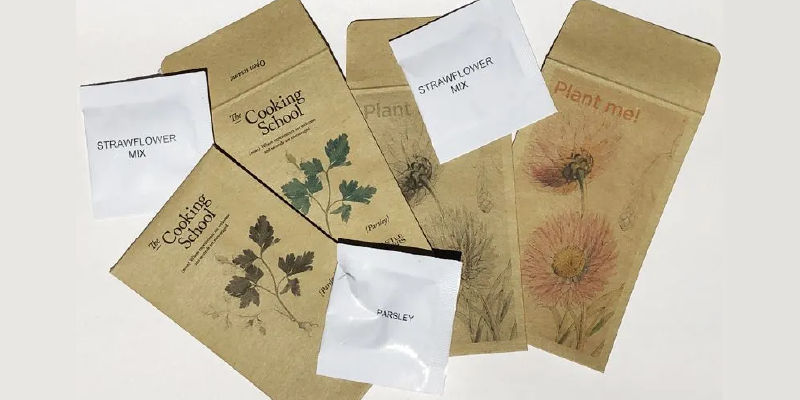
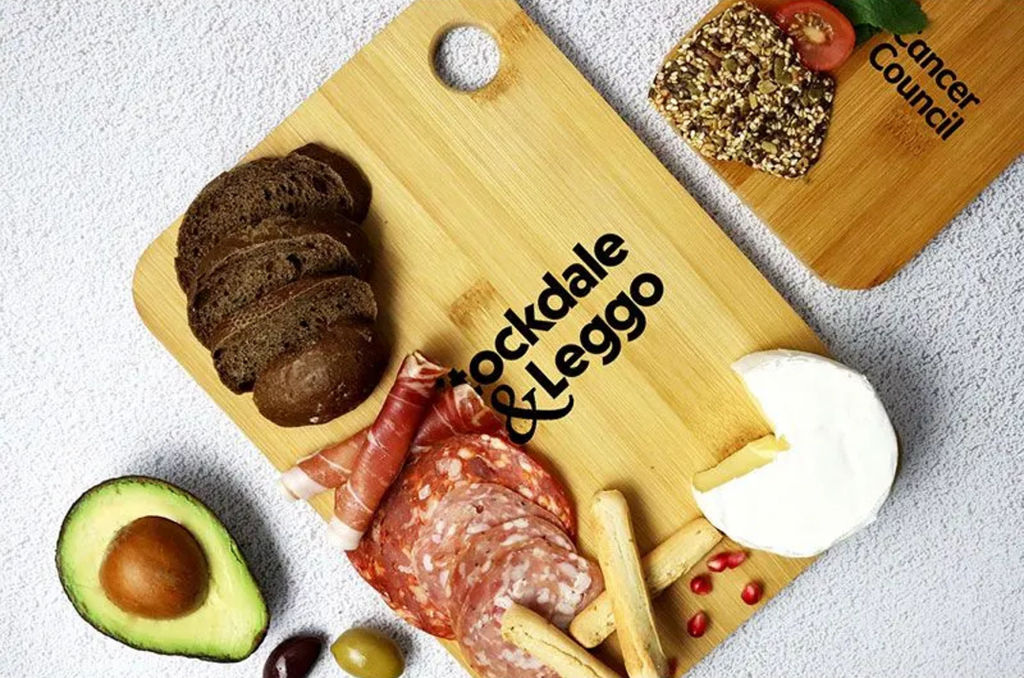
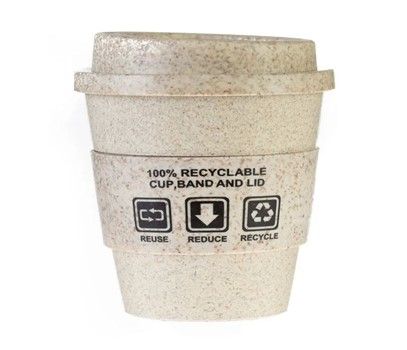
Choosing sustainable products means picking items built to be reused or made from lower impact materials, rather than items designed to be used once and thrown away.These types of products are made from sustainable materials such as:
- Bamboo
- Recycled plastic
- or other eco-friendly materials.
We supply eco-friendly promotional products to businesses across Australia, and the swap we see making the most visible difference is replacing one-off giveaways with something staff and clients actually keep and reuse.
Energy Efficiency and Reducing Energy Consumption
The fastest wins in energy efficiency come from lighting, scheduling and insulation, well before solar panels enter the conversation. These fixes are cheaper to install, and they shrink the size, and cost, of any solar system you add later.
| What the research says: A Victorian veterinary clinic profiled by the Australian Government’s own energy efficiency program proves the point. It cut its energy use in half within twelve months and saved five thousand dollars a year, by sorting insulation and LED lighting before installing solar. |
Reduce Waste by Cutting Single-Use Items
Reducing waste starts with cutting single-use items at the source, since recycling alone can’t fix a problem once something’s already in the bin. Australia’s most recent National Waste Report found a national resource recovery rate of 66 percent, but the recovery rate for plastics specifically sits at just 12 percent. Reduction does more of the real work than recycling ever will.
Build a More Sustainable Supply Chain
Your supply chain is usually where most of your environmental footprint actually sits, even when your own office looks spotless.
A few ways to act on that:
- Ask suppliers how products are made, not just where they’re shipped from, before you ask about price.
- Favour local or regional supplier for high frequency items, since shorter freight distances cut transport and carbon emissions while supporting local jobs.
- Check for compliance documentation, like modern slavery policies or supplier assessments, rather than taking claims on faith.
- Consolidate orders where you can. Fewer, larger orders are more efficient than frequent small ones.
Promote Your Sustainability Efforts Without Overclaiming
Promoting your sustainability efforts means being specific about what you’ve actually changed, not making broad claims that sound good but can’t be checked. This matters more than it might seem. Vague labels like “eco-friendly” without anything backing them up are exactly what create greenwashing concerns, and clients are getting better at spotting it, which puts your brand reputation at risk rather than protecting it.
Examples Of Sustainable Businesses
Many companies in the promotional products industry have successfully adopted sustainable business practices, which has benefited them in various ways. For example:
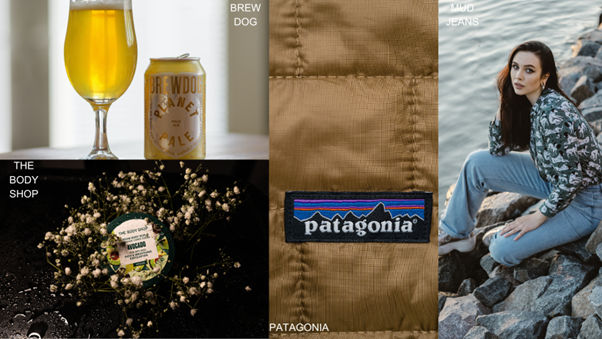
Patagonia, a well-known worldwide clothing company uses eco-friendly materials and renewable energy sources, which has helped to improve its brand reputation and attract environmentally conscious consumers. Patagonia retail stores also offer customers a recycling service for their old polar fleeces.
Another fantastic example is BioPak, a company that produces sustainable packaging solutions, including compostable food packaging made from plant-based materials. They also have a closed-loop composting program to ensure their products are disposed of properly.
Make Your Logo Outlast the Landfill
Sustainable practices and brand visibility aren’t competing goals. Business leaders who treat them as one project, not two, get more out of both, since a product built to be reused does both jobs at once.
Payless Promotions has spent over twenty five years helping Australian businesses get their branding right, and the swap that wins on cost is usually the same one that wins on impression. Send us your logo and we’ll mock it up on a reusable drink bottle, tote bag or notebook at no cost, so you can see exactly what a sustainable swap looks like before you order.
FAQs
How fast will sustainable practices actually start saving money? Energy and waste changes often show up in your very next bill. Supply chain and product changes tend to pay back over months instead of weeks.
Is this only realistic for businesses with a dedicated sustainability budget? No, most of the highest-impact changes cost nothing to start. Bigger investments like solar can wait until the free changes are already done.
How do I get staff on board without it feeling like extra work? Explain the why, not just the what, and start with one visible change rather than five at once. Staff buy in faster when they can see the result.
Does switching to eco-friendly merchandise actually make a measurable difference? A single reusable drink bottle replaces hundreds of disposable cups over its life, so the swap compounds quickly across a team. It also tends to get used and seen for longer than single-use giveaways.
What’s the one practice to start with if I only have time for one this month? Start with the audit. Knowing what you actually spend on energy, waste and reorders shows you which single change saves the most, rather than guessing.
