
Hats are a unique article of clothing, and the range of hat types available today is wider than most people realise. They act as both a fashion statement and protective gear.
Throughout human history, people have used hats to be stylish, to make political statements, and to protect themselves from a host of threats. No other article of clothing has quite the elaborate and intriguing history because hats stand out, and that is without the large, wide-brimmed, feathered hats of the 1700s. If someone is simply wearing a cap, you notice.
Hats can even represent entire professions or people. The picture of a gallon hat immediately brings to mind cowboys. A hat with a red cross represents nurses, despite the fact that nurses have not worn that type of hat in about a century.
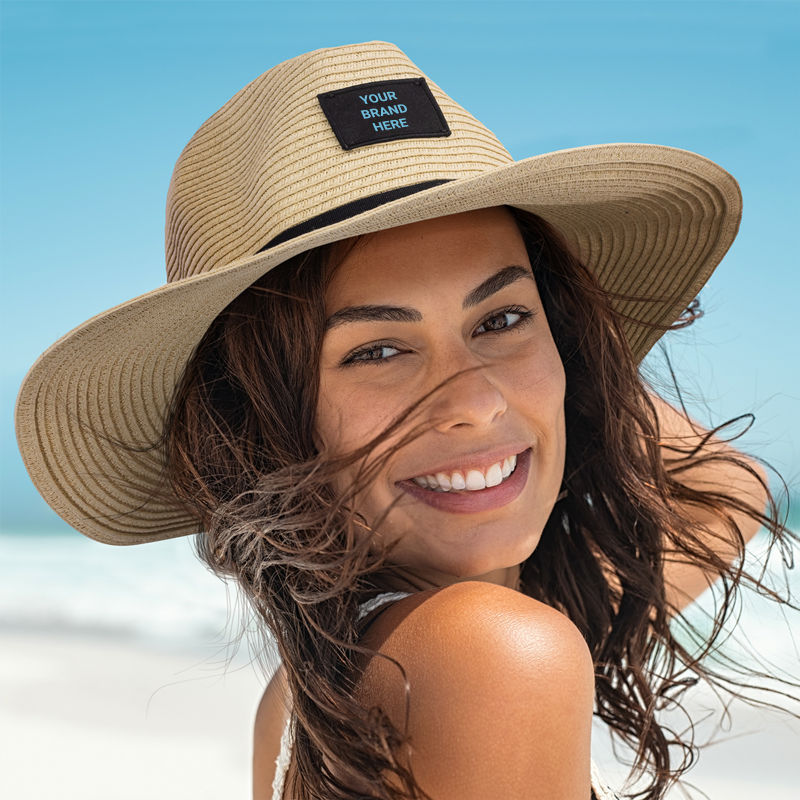
What really makes hats interesting is that you can design them to be entirely practical, but they can still be stylish and comfortable. Straw hats are breathable and broad-brimmed, effective at protecting your face and neck from UV exposure.
With so many different types of hats, you can find one for virtually any occasion. From costumes to careers to climates, there is a hat for every need. For Australian businesses sourcing different types of headwear, that also means choosing the right style for corporate branding, from embroidered caps for corporate events to printed bucket hats for outdoor staff.
Summary of The Different Types of Hats
With such a long history and a wide variety of hat types, it can be difficult to know what hat you need. The following is a long list with details about many different types of hats. While it is not a complete table, it covers many of the types of hats you are likely to see today.
Caps
| Type of Hat | Description |
| Apple / Newsboy Caps | A comfortable cap that has eight panels with a decorative button at the top. The Apple cap is a larger version of the Newsboy cap. |
| Ascot Cap | Often made of felt or wool, this cap is rounder and sits comfortably on the top of the head. |
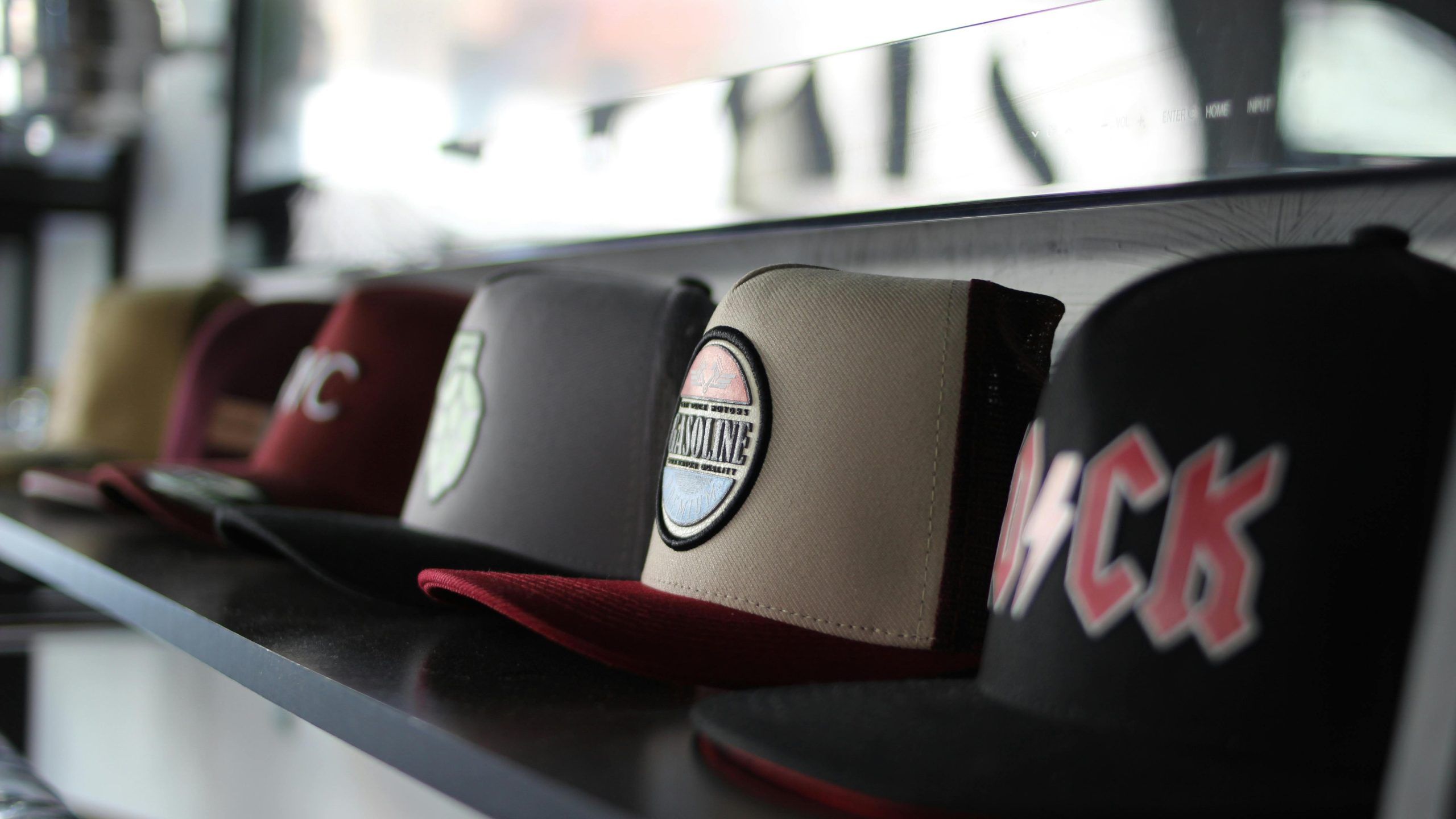
| Ball Cap | Made popular as a cap worn by baseball players, the cap is actually worn by a much wider audience. The long visor in the front ensures that people can see, but their eyes are protected from direct sunlight. |
| Beanie / Knitted / Stocking Cap | Associated with winter and skiing, these caps are designed to keep the head and ears warm. They are form-fitting, so they stay on a person’s head, regardless of strong winds. There is no brim or visor. It is not meant to block light. |
| Beret | A familiar hat associated with the French, the beret is usually made of acrylic, cotton, or wool. It has a stem at the top, making it similar in appearance to an acorn top. |
| Flat Cap | Similar to the Newsboy hat, the flat cap is rounded. It has a bill, but the rounded crown is sewn or fastened to it. |
| Peruvian Cap | A knitted cap that is made to keep the wearer’s head warm in the cold. Named after where it originated in Peru, it can get very cold in the mountains, so they made a hat that fits the head and has flaps to cover the ears. |
| Outback Hat | A wide-brimmed hat built for Australian conditions. Typically made from leather or wool felt, with a broad brim for sun protection and a chin strap to keep it secure in the wind. A practical choice for outdoor workers and a popular style for custom branded headwear. |
| Trucker Cap | A lightweight structured cap with a flat front panel and mesh back panels for breathability. The flat front is well suited to screen-printed or embroidered logos, making it a popular choice for corporate giveaways, trade shows, and staff headwear. |
| Boonie Hat | A wide-brimmed cotton or synthetic hat suited to outdoor settings. Similar to the bucket hat but with a stiffer brim and often a chin strap. Commonly used for outdoor events, field teams, and branded promotional headwear. |
Hats
| Type of Hat | Description |
| Boater / Skimmer Hat | These hats are associated with barbershop quartets. Often, they are white or cream-coloured with a bright, wide ribbon working around the higher crown. Typically made of straw, it is a summer hat that helps keep the sun out of the wearer’s eyes. |
| Bowler / Derby Hat | Popular in the 1800s, this hat is still associated with the British. It has a short brim that curls up. The crown is higher and round. Typically, they are made of felt and are black. |
| Bucket Hat | This is often associated with fishing. It is usually made of cotton or other soft materials and has holes around the top to allow air to blow against the wearer’s head. The brim is floppy and extends far enough to protect the wearer’s eyes. |
| Cloche Hat | The crown of the hat has a bell shape. Often worn in the summer. It has a similar brim to a floppy hat but does not extend quite so far. It is currently experiencing an increase in popularity, likely because it is comfortable and provides protection against the summer heat and sun. |
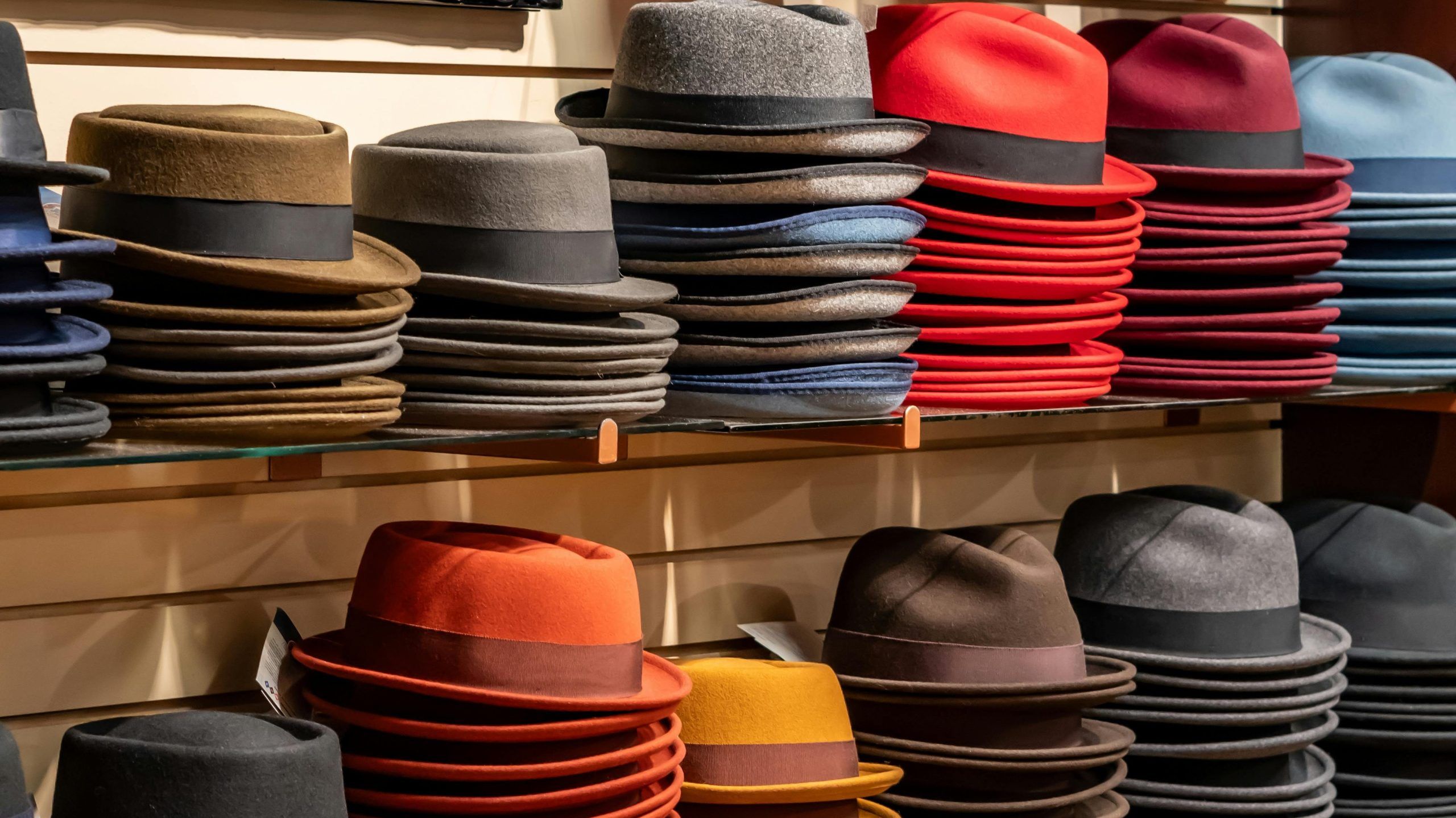
| Fedora | Most closely associated with mobsters and PIs, the Fedora has remained popular for the better part of a century. |
| Fez | A unique hat, it looks more like a cylinder on the wearer’s head. It is typically a shade of red, and a tassel hangs down from the top. |
| Floppy / Wide-brimmed Hat | Associated with summers and beaches, these hats are designed to allow the head to breathe in the heat while protecting the face and neck from the sun. The Kettle Brim and Lifeguard Hats are both very similar in appearance, but they have chin straps, and the crowns are different. |
| Gallon / Cowboy / Western Hat | This one is easily envisioned and is one of the most well-known hats because of how frequently cowboys are portrayed in media. |
| Novelty Hat | This can be any kind of hat, with Santa hats being the most commonly seen. These can be for holidays, costumes, or other events over the course of the year. |
| Panama Hat | Usually, white hats are similar to the boater hat, they have a black band around them. They are often seen in movies being worn by villains, such as Hannibal Lecter. |
| Pith Helmet | This is the adventurers’ hat, often seen in movies with archaeologists and adventurers. It is also associated with US Post Office workers who walk instead of driving a vehicle. |
| Porkpie Hat | With the appearance of a top hat with half the height, this hat has been gaining popularity in recent years. This is likely because it was Walter White’s preferred hat in the TV show Breaking Bad. |
| Tam | Similar to the beanie, this hat is knitted. However, it usually has a band, and the crown mushrooms a bit. It can come in any colour. |
| Top Hat | Most closely associated with British aristocracy, the top hat is often seen in movies and TV to show that someone is dressed to impress. The crown rises high from the brim, and it is black. |
| Visor Hat | Often worn by tennis players, custom visors are the only hat on this list that do not have a crown. The top of the head is free to breathe easily while the person wearing it works up a sweat. The bill protects the player’s eyes from the sun |
| Homburg Hat | A formal felt hat with a single crease along the centre of the crown and a slightly curled brim. Shares structural similarities with the fedora but has a stiffer, more defined shape. |
| Gambler Hat | A flat-brimmed hat in straw or felt with a moderate crown, common in western and country settings. Combines elements of the fedora and the cowboy hat, distinguished by its flat brim. |
| Safari Hat | A wide-brimmed cotton or canvas hat with ventilation holes in the crown, designed for hot outdoor environments. A practical choice for field staff, outdoor event crews, and anyone working in exposed conditions. |
There are still plenty of other types of hats, but many of them are period-specific or specialised. With such an extensive history, more hats have been forgotten over time than what we have today.
The Evolution of Hat Styles
Hats date back to before Ancient Egypt, during a time outside of recorded human history. The first documented hats were around 3200 BCE. As the aristocracy and royal Egyptians had shaved heads, they wore intricate headdresses. This was necessary because of the hot desert sun.
By the time of Ancient Rome, there were already numerous hats, and often those hats indicated a person’s station or position in the military. Slaves who were freed wore the Phrygian cap to show that they were free. These hats would actually be adapted by Americans and French people following their respective revolutions.
The Middle Ages saw hats become instrumental in identifying different members of the Church. They were also used to indicate the hierarchy of the society as well, although they did not have the same implications as the hats worn by members of the church. A person who needed a member of the Church to complete a service would be able to identify them in part by their hats. The hats for the aristocracy were far less relevant to most people.
By the 1700s, hats had become important fashion statements, moving them away from being largely a sign of status or class. They became an important part of women’s outfits. Entering the realm of style over hierarchical function, the appearance and size of hats exploded.
Women wore large, elaborate hats when trying to show off in public. When doing more mundane tasks, they opted for bonnets and handkerchiefs.
By the 20th century, hats were used for different professions, indicating a change back to focusing on function. They continued to be popular as convenient clothing, becoming a regular item.
Part of the reason hats have become a regular part of a person’s outfit is that they protect people from the sun.
Another large reason that hats have become normal is how they have been portrayed. The use of hats throughout history has caught people’s imagination. They have come to be closely tied to so many different eras, particularly the Fedora, cowboy hat, and Panama hats.
When a character becomes popular, any hats that character wears gain in popularity. Sometimes these hats become part of costumes, but more often, they become a regular feature of everyday outfits.
Types of Hats for Every Occasion
Understanding the different kinds of custom hats available makes it easier to choose the right style for your specific purpose. There are four primary ways of identifying hat types and how they are used today.
Casual Wear
Hats that are part of casual wear are worn by people all of the time. They do not have a specific purpose. Some people wear them to hide bald spots, others do not want to style their hair, and others simply enjoy wearing hats.
Hats that fall into this category include promotional caps, bucket hats, and trucker caps. They tend to be easy to remove and are made of materials that are breathable for the wearer.
Custom bandanas are another versatile option for casual wear, worn as headwear or a neck accessory and easy to personalise with a logo or design, making them a practical choice for both everyday use and branded giveaways.
Formal Wear
Though not nearly as common today, many types of hats fall into the formal wear category. Perhaps the most obvious are the hats worn by brides and women at funerals.
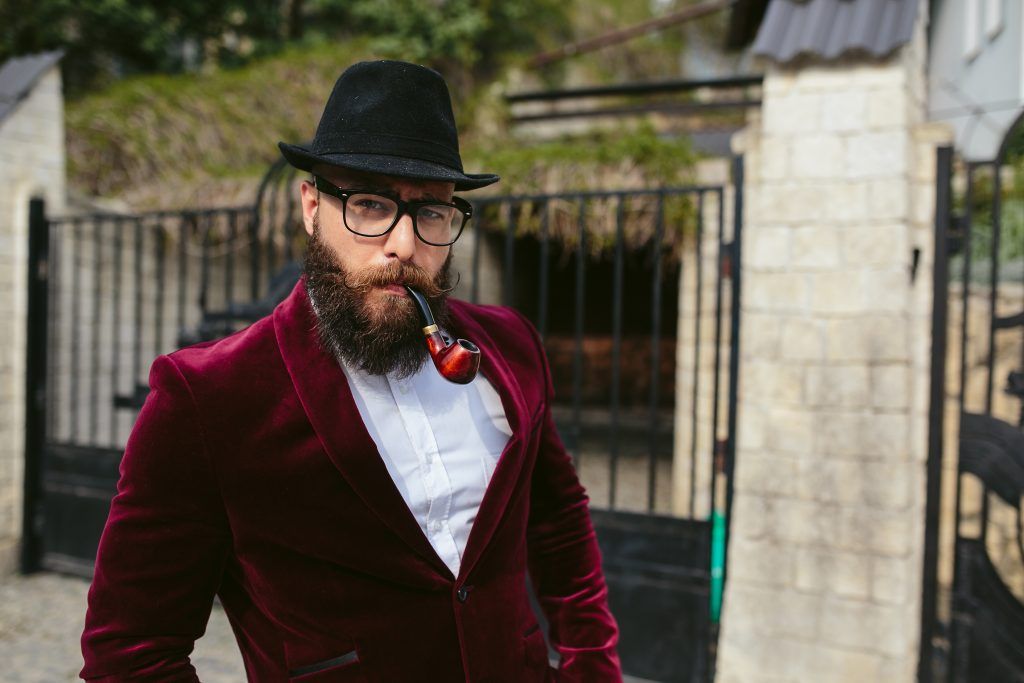
It is more common for women to wear hats as a part of their formal wear, although there are definitely formal wear hats for men. The most obvious is the top hat, but the Fedora and bowler hats are also considered more stylish.
Outdoor Activities
One of the two functional hats, outdoor hats are meant to provide protection against the sun and UV rays. They also block out brighter light around midday so that the wearer can see.
These hats are made of materials where the wind can still blow through the wearer’s hair. Often, they are made of straw, so they are lightweight and light in colour.
Popular examples of these are sun hats, floppy hats, outback hats, and boonie hats.
There are a few hats that are made to be a bit harder to protect a person’s head, such as the safari hat. This could also include things like construction hats, which are designed to protect against falling objects and the sun.
For sun protection in Australian conditions, custom brim and bucket hats provide a wide brim that covers the face, neck, and ears. Both styles are also commonly supplied as branded promotional headwear for outdoor field teams and event crews across Australia.
Winter Hats
The other highly functional type of hat is the winter hat. These are designed to trap heat, usually including an inner lining, and are knitted on the outside. By adding two layers, one of which is thicker, these hats can keep a person’s head and ears warmer.
Unlike the other kinds of hats, these winter hats are generally fitted, so there are no bills, brims, or visors. Their primary purpose is to keep you warm, so they cover more of your head than any other hat.
Hats in this category include custom beanies, fur hats, trapper hats, and Peruvian hats.

Hat Styles by Material
Hats with different purposes tend to be made with a specific material. If you are not sure what a hat’s purpose is, you may be able to tell based on its material.
Straw Hats
These are your outdoor summer hats. Some of the most popular straw hats are associated with the beach, the jungle, or the desert. That is because straw hats are perfect for the heat.
Considering people tend to go to bodies of water, straw hats are ideal for ensuring the hat does not absorb the water. With most bodies of water also attracting breezes, it is the best material for helping a person stay cooler.
The wide brim is one of the standout features of straw hats, providing sun protection for the face, neck, and ears in warm Australian climates.
Wool and Felt Hats
Wool and felt hats tend to be better at trapping and retaining heat. They protect your crown from getting cold while giving hats a distinct, structured look. Consider how different a Fedora looks compared to a Stetson, Bowler, and church hat.
These hats hold their shape and can withstand a lot of punishment. Depending on how a person plans to use the hat, some can even be made with leather instead.
Synthetic Materials
Synthetic materials provide a wider range of uses and can be made to better fit a wide range of situations. They are particularly useful for athletes because they tend to be more breathable while being form-fitting. That means that a breeze or active day will not cause the hat to come off.
Probably the best example of this is the baseball cap. Sun hats and other sports caps are much more likely to be made of synthetic materials. Trucker caps and cotton-blend styles are also widely produced in synthetic and mixed materials.
For wearers who are active or working outdoors, easy-care synthetic hats are the practical choice. Most can be machine washed without losing their shape.
Choosing the Right Hat for Your Head Size and Face Shape
When it comes to striking the right look with a hat, it is important to consider your facial shape. You want the hat to highlight your features and complement the shape.
Finding the Right Fit for Your Head Size
The first consideration is the size of your head. Certain styles are better suited to smaller heads:
- Beanies fit snugly on the smaller head, so you do not have to worry about the cold getting into empty spaces. They are fairly popular and tend to go with most outfits.
- Short-brimmed hats are stylish without making your head look abnormally small. They are simple, yet elegant.
- Apple hats and Newsboy caps are close-fitting, so they do not dwarf your head. They draw the eye down to your features rather than to the hat itself.
Certain styles work better for larger heads:
- Wide-brimmed hats can make your head look smaller because they expand so much further from your head. They also add a look of confidence because they are associated with people who are more relaxed.
- Ball caps are easy to adjust, making them a practical choice for a larger head without needing to try before buying.
If you have a more standard-size head, personal preference is the best guide. Try on different styles and decide what suits you.
Matching Hat Style to Face Shape
Finding the right hat for your facial shape is usually the most reliable way to choose a flattering style:
- Heart-shaped face: Your forehead is wide and your face narrows to a point at the chin. The Fedora works well here, as does the porkpie hat. Hats with a medium brim help frame your face.
- Oval face: This tends to be the most versatile facial shape for hats. Most styles suit an oval face, so experiment freely.
- Round face: Angular hat shapes provide more definition. The Fedora and trilby both offer good contrast. Pinched crowns or indented shapes help make your face look longer.
Square face: Rounder hats with softer lines balance the angles in your face. The bucket hat is a strong choice for this shape.
Ladies Hat Styles and Face Shape
As a fashion accessory, the same face-shape principles apply across ladies hat styles.
- Wide-brimmed ladies hats, including floppy hats, sun hats, and boater hats, suit oval and heart-shaped faces well.
- Structured ladies hats such as the fedora or cloche hat provide definition and work well for round and square face shapes.
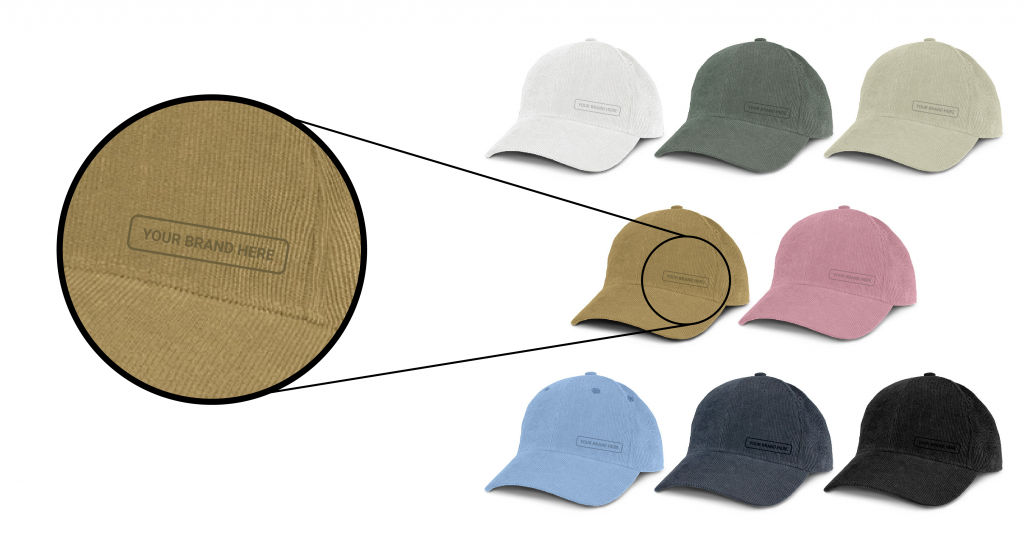
Personalising Hats with Your Logo
If your business needs branded hats for a corporate event, staff uniforms, or a trade show, the decoration method you choose matters. The right technique depends on your hat style, logo complexity, and order volume.
Almost any hat style can be branded, but structured caps are the most popular choice for corporate and promotional use. The flat front panel offers a clean, consistent surface, which is the same reason sports teams have used caps to display logos for decades.
Customising hats is not a new concept. People have been embroidering on hats for centuries. Perhaps the most well-known is the wide variety of hats worn by religious figures and nurses, where symbols helped people identify those professions when they were needed.
As technology advanced, manufacturers were able to mass-produce patches, which could then be added to hats for a more uniform appearance. This allowed hats to have more complex designs while still looking professional.
Modern decoration techniques mean accurate, detailed branding is achievable consistently across a full production run. For bulk orders, precise logo placement and colour consistency are standard expectations.
Decoration Methods: Embroidery and Screen Printing
The two most common decoration methods for promotional hats are embroidery and screen printing. Each suits different hat styles and logo requirements:
- Embroidery works well on structured caps, bucket hats, and beanie hats. It produces a clean, durable finish that holds up through regular wear.
- Screen printing is best suited to flat-panel caps and trucker caps where bold, multi-colour logos are the priority.
The team can advise on which method suits your artwork, hat style, and order volume.
Common Applications for Branded Hats
Branded hats are used across a wide range of commercial settings. Common applications include:
- Outdoor field team uniforms
- Trade show and conference giveaways
- Staff welcome packs
- Client gifts and corporate events
Matching the right hat style and decoration method to your setting determines how your brand is received.
Ready to put your brand on a hat? Payless Promotions supplies custom embroidered and screen-printed hats and caps to businesses across Australia. Request a quote, order samples to confirm quality before a full production run, or browse the complete headwear range to find the right style for your team.
Final Thoughts
Selecting the right hat style comes down to purpose, audience, and environment. For businesses ordering branded headwear in bulk, that means matching your selection and decoration method to your brand guidelines and event timeline. Browse the full range or speak with the team to find the right solution for your order.
