
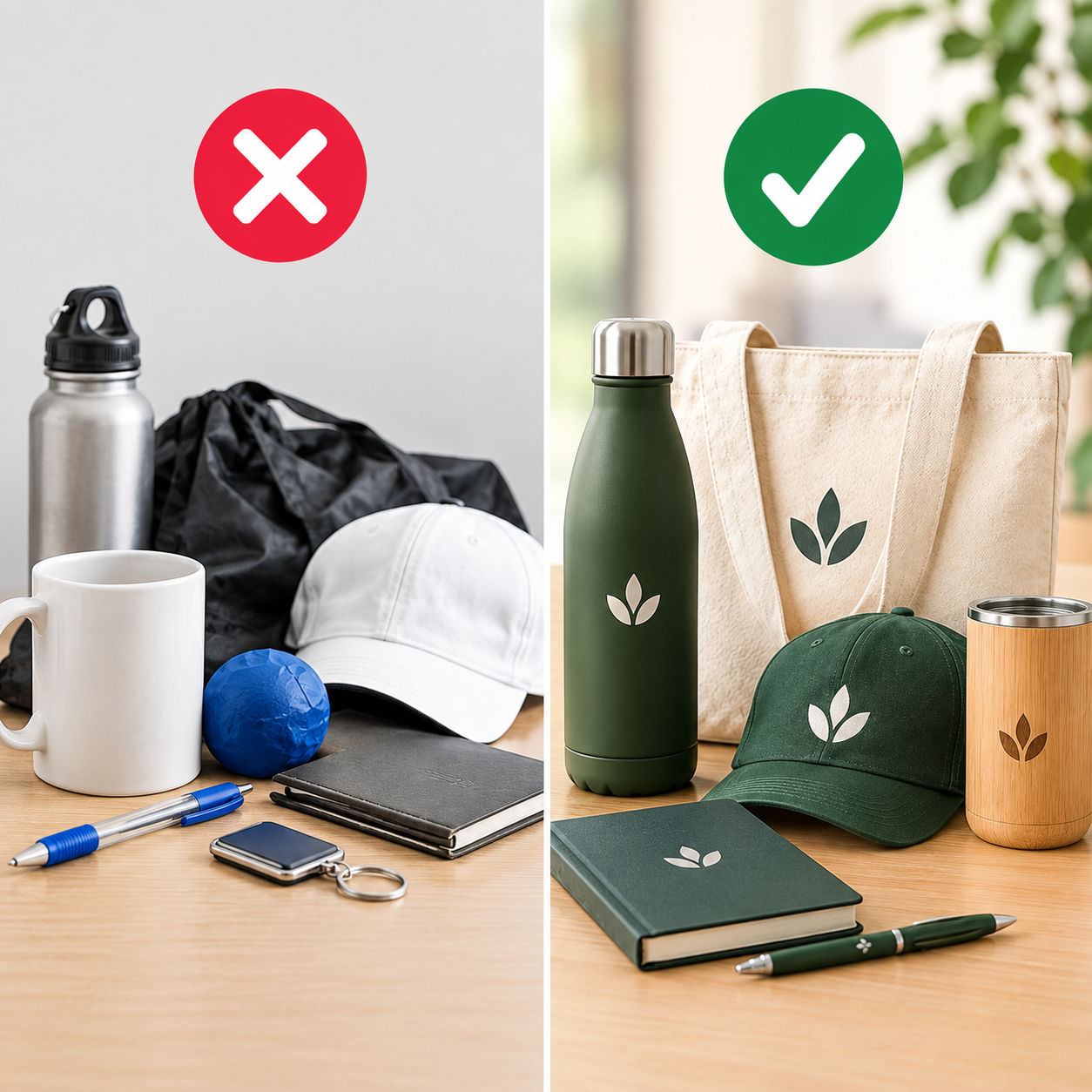
Australian businesses spend real money on branded merchandise every year, and a significant portion ends up discarded. The problem is rarely the medium. It is the decisions made before the order is confirmed: the wrong product, accepted quality issues, no audience brief, and no measurement. This post covers the most common reasons promotional products fail and what a better approach looks like.
The Promotional Merch Failure Loop
Most promotional items underperform for the same reason: no one defined what success looked like before placing the order. The result is a cycle that repeats each campaign.
- Brief is vague, product is chosen by price, not purpose
- Items are distributed broadly with no target audience
- Recipients discard the product within days
- No measurement happens; the team assumes distribution equals success
- The same decisions are made next time
Breaking the loop starts at the brief stage. Every downstream decision, product type, quality, distribution, and timing, is shaped by how clearly the initial brief defines the recipient and the objective.
Common Branded Merchandise Mistakes
Most underperforming promotional campaigns share the same failure points. The table below maps each mistake to its root cause and the tips to fix it.
| Mistake | Root Cause | The Fix |
| Price over quality | “It’s just a giveaway” mindset | Set a quality floor; sample before ordering |
| No audience brief | Internal team picks, not the recipient | Define the recipient before selecting the product |
| Merchandise as an afterthought | Brief arrives too late for good selection | Plan alongside the campaign from day one |
| Branding without design thought | Logo applied without considering placement | Match decoration method to product and end use |
| Distributing without targeting | Mass giveaways dilute impact | Distribute intentionally to a defined audience |
| No daily-use context | Product looks fine but has no role in life | Ask: where will the recipient actually use this? |
| No measurement | No feedback loop; mistakes repeat | Set a metric before ordering |
Choosing the Wrong Product for Your Audience
Audience mismatch is the most common reason promotional merchandise fail. Generic items picked from a catalogue without an audience brief produce low engagement regardless of print quality or budget.
- Define the recipient first. Job role, work environment, and daily needs should shape the product decision.
- Avoid safe or neutral choices. A product chosen because it offends no one rarely resonates with anyone.
- Consider what the recipient already has. A category that is oversupplied to your audience (tote bags, USB drives) has a lower retention rate regardless of quality.
- Match the product to the event context. A corporate client dinner calls for a different product than a trade show floor.
When Low Quality Costs More Than the Product
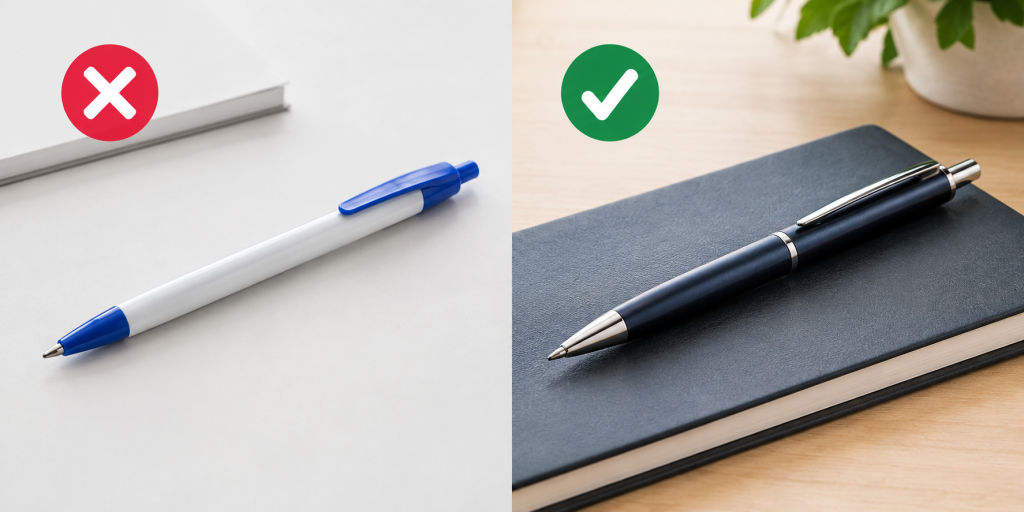
A cheap promotional item does not save money. When branded merchandise breaks, fades, or fails quickly, recipients associate that experience with the business whose logo is on it, not the manufacturer.
- Set a quality floor, not just a price ceiling. Identify the minimum acceptable standard for your brand before reviewing options.
- Match the decoration method to the substrate. Heat transfer on flexible fabric cracks. Screen printing on low-weight material fades with washing. The method must suit the material.
- Sample before committing to volume. Any reputable supplier will support this. Assess finish, material weight, and branding hold before confirming a full order.
- Durability drives cost-per-impression. A product used for months returns more value per dollar than one discarded in a week.
Distribution Strategy: Getting the Right Product to the Right Person
Even well-chosen, well-made products fail when distribution is handled without intent. The timing, targeting, and context of handover all affect brand recall and retention. You need an expert strategy for this purpose or at least keep these basic points in your mind
- Target, do not broadcast. Handing products to everyone reduces per-item impact. Distributing to a qualified audience increases it.
- Timing within the event matters. Products given at registration are more likely to be retained than those handed out as attendees leave.
- Fewer products to the right people outperforms volume. Cost per meaningful brand impression is lower when distribution is targeted.
- Match the product to the distribution moment. A drinkware item handed out during a morning session has a higher use rate than the same item given at the end of day.

Products Without a Place in Daily Life
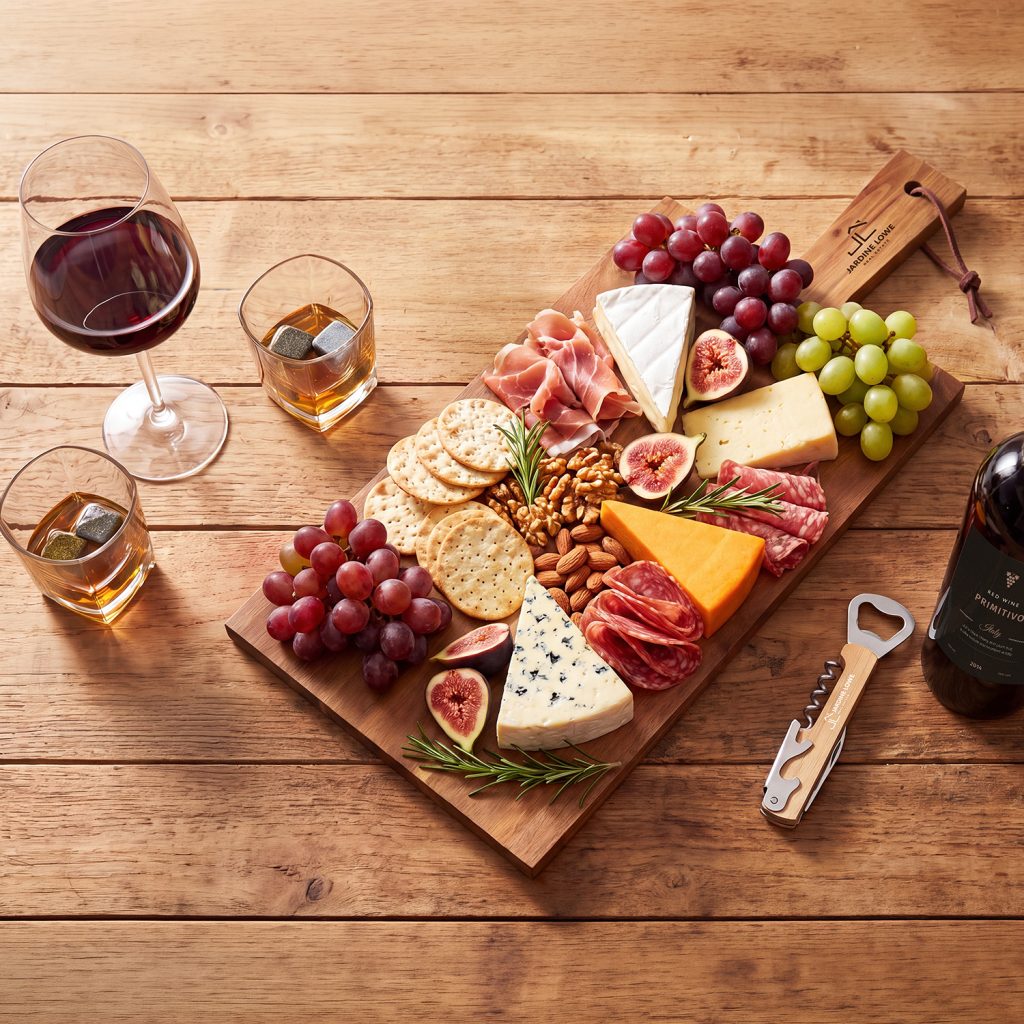
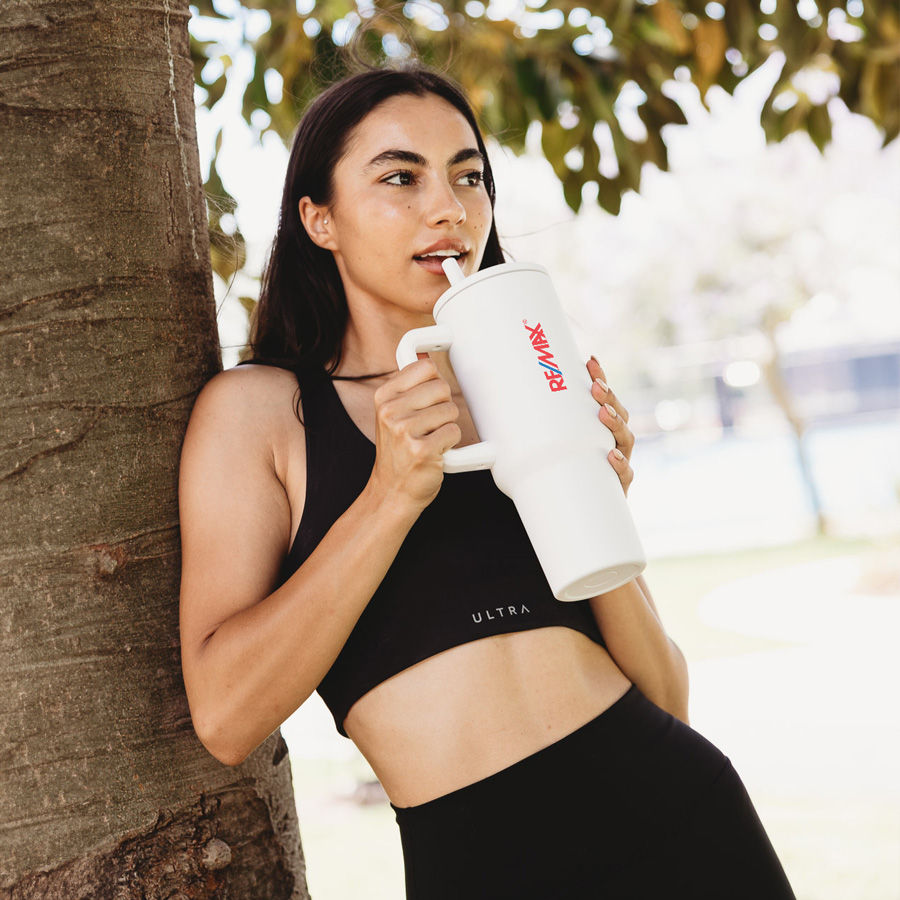
A promotional product generates brand exposure only when it is used. If it has no natural role in the recipient’s routine, it will not be used, regardless of quality or design.
- Ask where the product lives in daily life. Desk, bag, kitchen, gym, commute? If the honest answer is ‘probably a drawer’, the product needs revisiting.
- Prioritise function over novelty. Items with a clear, practical purpose are retained longer and generate more repeat brand exposure.
- Avoid saturated product categories for your audience. If the recipient already owns several of the same item, the threshold for keeping yours is much higher.
Treating Merchandise as a Line Item, Not a Strategy
Promotional products ordered without a defined objective produce unpredictable results. Without a clear campaign role, there is no basis for selecting the right product, the right quantity, or the right distribution approach.
- Define what the product needs to do. Brand awareness, client retention, event recall, employee recognition, the objective shapes every subsequent decision.
- Align product, audience, and timing. These three elements work together. A mismatch in any one of them reduces overall effectiveness.
- Concentrate budget rather than spread it. Fewer, more relevant products given to a defined audience consistently outperform high-volume generic distribution.
- Brief the supplier with context, not just a logo. A supplier briefed with the recipient profile and campaign objective will recommend far more suitable products.
Not Measuring Promotional Merchandise ROI
Most businesses confirm delivery and move on. Without measuring ROI and possible outcomes, there is no feedback loop, which means underperforming decisions repeat, and effective ones go unrecognised.
- Cost per impression is the key metric. Total spend divided by estimated uses over the product’s life. A $14 item used 300 times outperforms a $4 item used twice.
- Practical measurement signals. Post-event surveys, sales team feedback, social mentions, and repeat recipient engagement all provide usable data.
- Set the metric before ordering. Decide in advance what success looks like, usage rate, brand recall, qualified leads generated, or product retention at follow-up.
- Use results to refine the next brief. Measurement turns a one-off spend into an improving programme.
Warning Signs a Promotional Product Will Fail
These are the clearest indicators that a product selection needs to be reconsidered before confirming the order. If any of these apply, pause and revisit the brief.
| ⚠ Price was the only deciding factor. No audience brief or usage strategy informed the choice. |
| ⚠ You would not use it yourself. If it would not fit your daily routine, it will not fit your recipient’s. |
| ⚠ You cannot explain what the recipient will do with it. No clear function means it will be discarded. |
| ⚠ It does not reflect your brand standard. A low-quality item signals the same about the business behind it. |
| ⚠ The decoration will not hold up. A logo that cracks or fades within weeks is a branding liability, not just a quality issue. |
What Makes a Promotional Product Actually Work
Effective branded merchandise is not necessarily expensive. It is always considered. Five consistent traits separate products that generate ongoing brand exposure from those that are discarded.
Recipient-first selection
Product choice follows a clear brief about who receives the item, what their daily environment looks like, and what they genuinely need. The catalogue comes second.
Quality that reflects the brand
Material weight, finish, and durability communicate the standard of the distributing business. Setting a minimum quality threshold, and sampling before ordering, protects brand perception.
Decoration matched to the product
The print or embroidery method suits both the substrate and the intended use. Placement and logo sizing are deliberate, not defaulted to the largest available area.
Targeted distribution
The product reaches the right person at a moment that makes sense within the event or campaign context. Distribution is planned, not improvised.
A measurable role in the campaign
The product supports a defined objective. Someone can explain what it is supposed to do, and that outcome will be assessed after distribution.
Effective vs Failing Promotional Products
The difference between merchandise that works and merchandise that wastes budget comes down to decisions made before the order is placed. This comparison covers the eight decision points that matter most.
| Decision Area | Failing Approach | Effective Approach |
| Product selection | Chosen by price from catalogue | Chosen by recipient profile and daily-use fit |
| Quality standard | Lowest cost available | Quality floor set; samples reviewed first |
| Decoration method | Logo applied without method consideration | Method matched to product and usage context |
| Distribution | Broad handout at any touchpoint | Targeted to defined audience at a planned moment |
| Campaign timing | Ordered after the campaign starts | Planned from the beginning |
| Measurement | Success assumed after delivery | Usage, recall, or engagement tracked post-event |
| Budget logic | High volume, generic items | Fewer, better-chosen, higher-impact items |
| Brand alignment | Generic item with logo stamped on | Product that reflects brand values by design |
A Practical Framework for Selecting Promotional Products
Selecting the right promotional product is a structured decision. Working through these six steps before briefing a supplier significantly reduces the risk of poor outcomes.
- Define the recipient. Who receives this item, what do they do, and what do they genuinely need?
- Identify daily-use context. Where will the product naturally sit in their day? If it has no clear answer, revise the product choice.
- Set a quality floor. Determine the minimum acceptable standard before reviewing options, then request samples to verify it.
- Match decoration to product. Brief the supplier on end-use context, not just the logo file.
- Brief with specifics. Recipient profile, campaign objective, event context, quantity, and delivery deadline all help a supplier make better recommendations.
- Define measurement upfront. Agree how results will be assessed before the order is confirmed.
Final Thoughts
Promotional products do not fail because the medium does not work. They fail because of decisions made before the order is placed. Fix the brief, the product selection, the quality standard, and the distribution approach, and branded merchandise becomes a reliable part of a marketing strategy rather than a recurring budget drain.
Payless Promotions works with businesses across Australia on promotional merchandise briefs for corporate events, trade shows, employee programmes, and client gifting. Browse the full range or contact the team to discuss your next campaign.
FAQs
What makes a promotional product useful rather than a waste of budget?
It serves a genuine function in the recipient’s daily routine, the quality reflects the distributing brand’s standard, and the decoration method ensures branding holds up with regular use.
How do I choose the right promotional product for my audience?
Start with a recipient brief before selecting any product. Define who receives the item, what their daily environment looks like, and what they genuinely need. Product selection follows that brief.
What is a typical minimum order quantity for custom branded merchandise?
Minimum order quantities vary by product type and decoration method. Contact the Payless Promotions team with your brief for specific quantities, lead times, and pricing.
How does the decoration method affect branding durability?
Embroidery suits structured fabrics like caps and polo shirts. Screen printing suits cotton and hard surfaces for single or limited-colour logos. Digital transfer suits full-colour artwork on smooth substrates. Using the wrong method for the material causes premature logo deterioration.
What lead times should I allow for promotional products in Australia?
Allow sufficient time for artwork approval, production, and delivery before your event date. Contact the team early, particularly for large or custom orders, to confirm realistic timelines
Can I order samples before placing a full production run?
Yes. Sampling before full production is strongly recommended. It allows you to assess product quality, logo finish, and material suitability. Contact the Payless Promotions team to arrange samples.
What is the environmental impact of low-quality promotional merchandise?
Products that are not used become waste. Choosing durable, genuinely useful items reduces landfill contribution and improves cost efficiency per impression over the product’s lifespan.
