
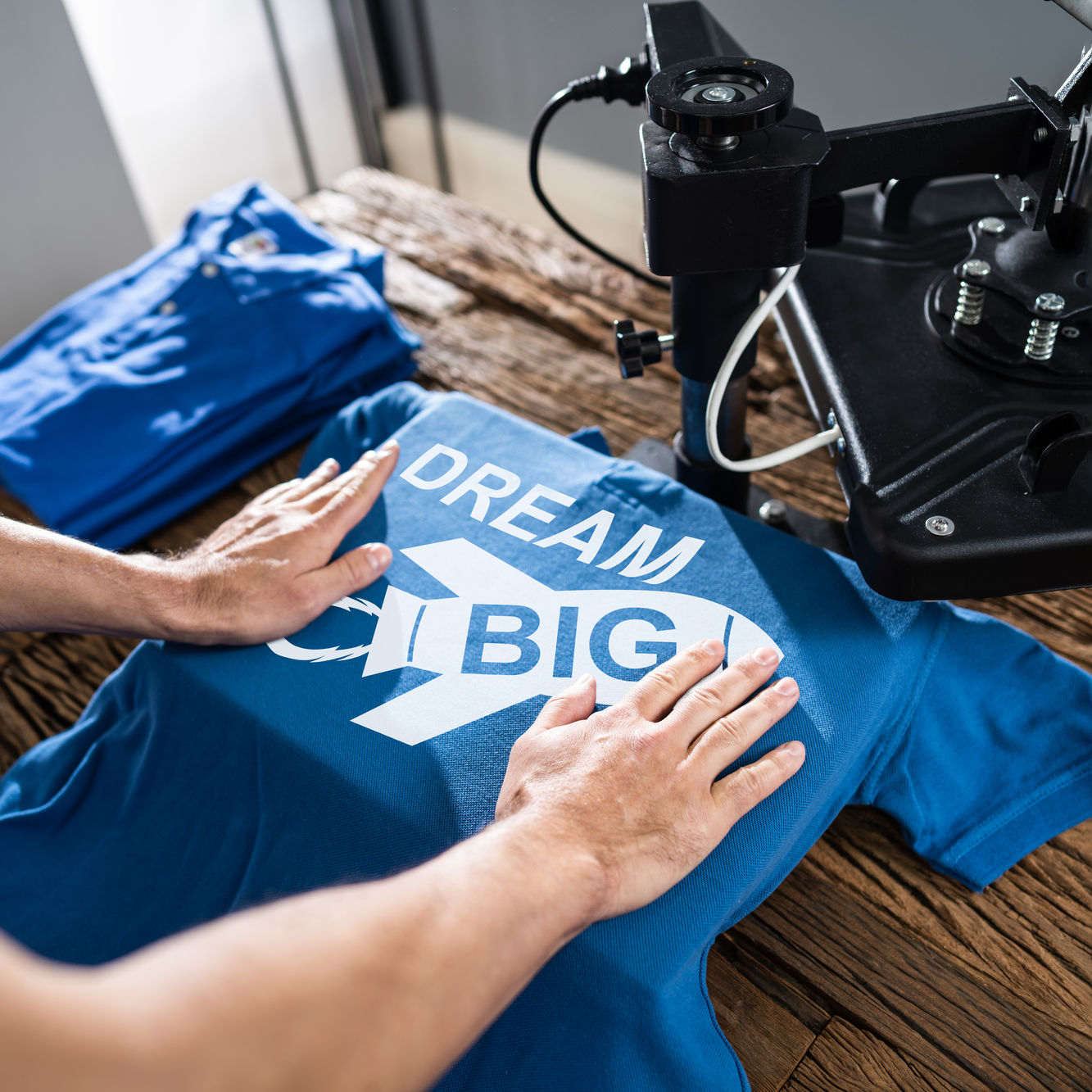
Screen printing is generally the most cost effective option for simple, one or two colour logos at higher quantities. Heat transfer and DTF printing suit smaller runs or detailed, full colour designs, since neither needs a screen made for every colour. Sublimation is the right call for fully customised team uniforms that need all-over, edge to edge colour.
The best fit for your order comes down to your design complexity, your fabric, and how often the t-shirts will be worn and washed. In this guide we will break down what each one actually involves, where it works best, and how to match it to your order.
What Are the Main Types of Shirt Printing?
There are four printing techniques most businesses choose between when ordering custom t-shirts. Here’s each one, with the detail covered further down.
- Screen printing
- Heat transfer printing
- DTF (direct to film) printing
- Sublimation printing
If you’re after stitched branding rather than printed branding, embroidery is usually the better fit.
Screen Printing for T-Shirts
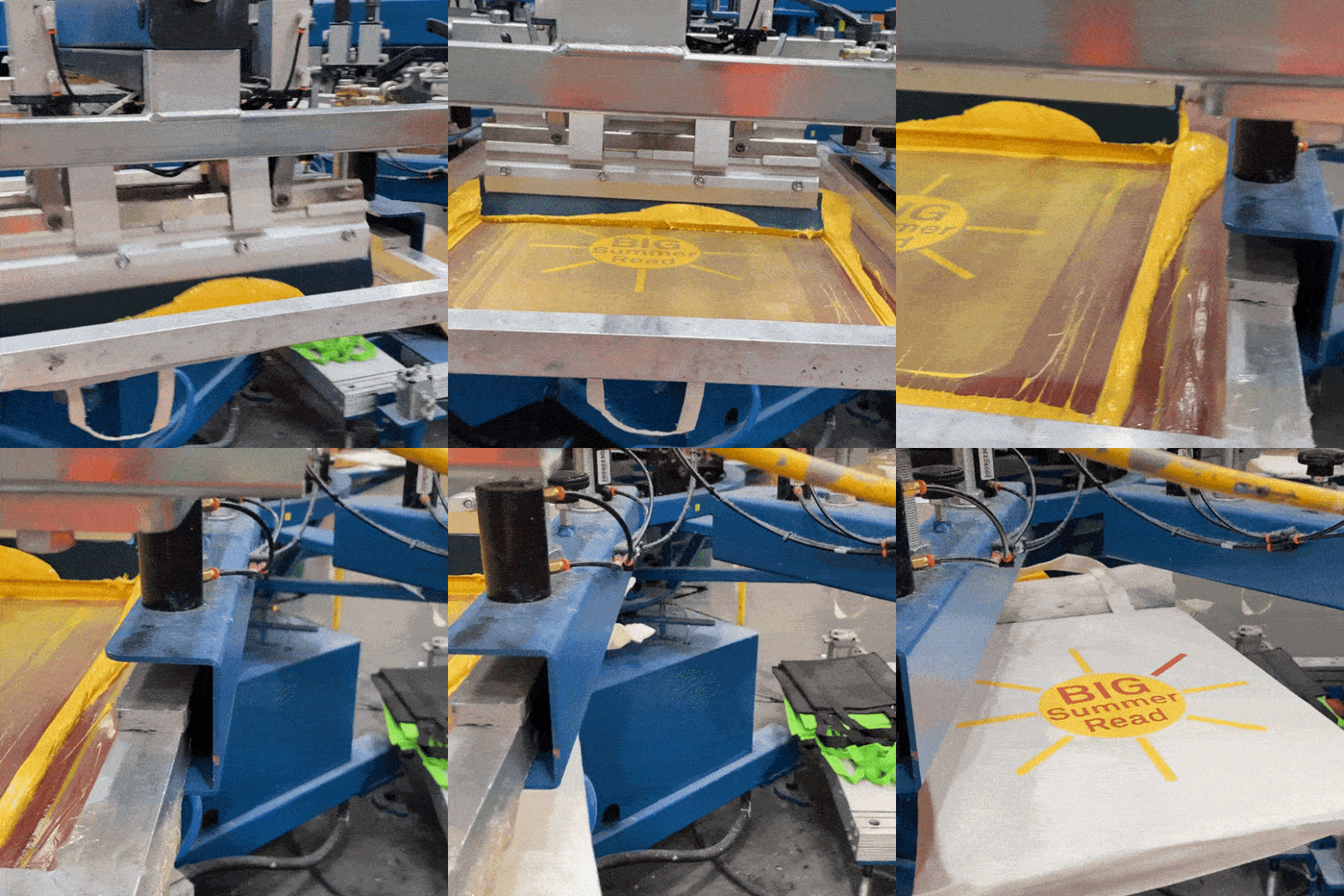
Screen printing, sometimes called traditional screen printing or silkscreen printing, is the most established method for branding t-shirts. Each colour in your design needs its own stencil, the cost is tied to colour count rather than design size. Because the stencils are reusable once made, screen printing becomes more cost effective as your quantity increases.
- Best for: large quantities of t-shirts with simple, solid colour logos, such as staff uniforms, club merchandise, and event giveaways.
- Limitations: can’t reproduce photographic detail or unlimited colour gradients, and isn’t suited to very small orders since a screen still needs to be made even for a handful of shirts.
- Durability: holds its colour and shape well through frequent commercial washing, which is why we generally recommend it for workwear and uniforms that get washed weekly.
Heat Transfer and Digital Transfer Printing for T-Shirts
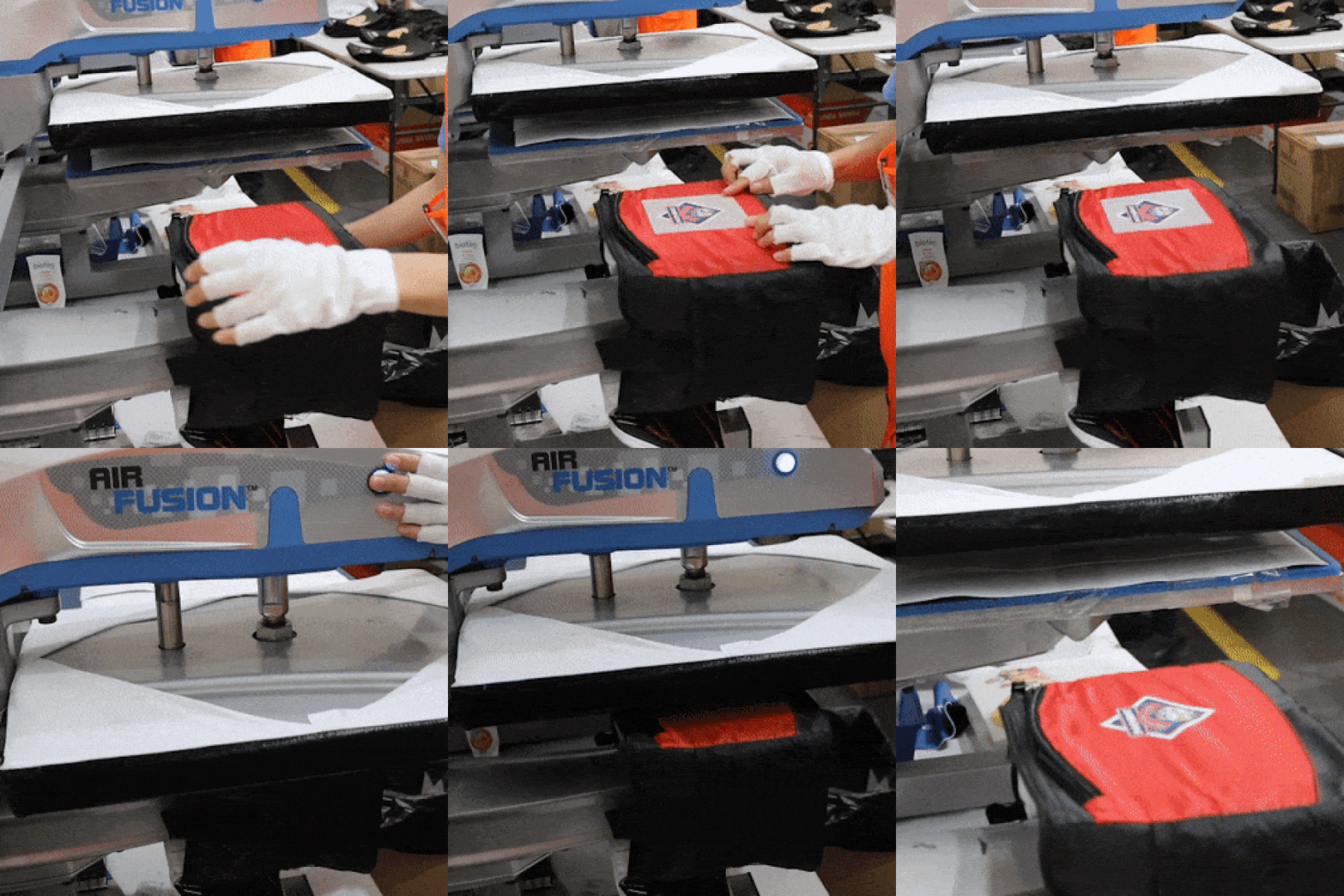
Digital transfer printing applies your design to the t-shirt using a heat press rather than a mesh screen. The design is printed onto a transfer film or vinyl first, then pressed onto the shirt under heat.
- Best for: smaller orders, multi colour or gradient designs, and personalised names or numbers on individual shirts.
- Limitations: can’t reproduce metallic colours, and on bulk orders it can work out more expensive per shirt than screen printing once you’re past a moderate quantity.
- Durability: holds up well to regular machine washing. We recommend washing transfer printed shirts inside out on a cold cycle to get the longest life out of the print.
Direct to Film (DTF) Printing for T-Shirts
Like heat transfer, DTF prints your design onto film first. The difference is that DTF film can reproduce fine detail and gradients more easily, using water based inks. Unlike screen printing, DTF doesn’t need a new screen for each additional colour, so detailed, multi-coloured artwork doesn’t add setup complexity.
- Best for: detailed full colour logos, small batch runs, and orders where one process needs to handle every colour without multiple screens.
- Limitations: generally can’t reproduce metallic or fluorescent colours, and Pantone colour matching isn’t available with this method.
- Durability: designed to be flexible and machine washable across a wide range of fabric types, including cotton and polyester blends.
Sublimation Printing for Custom Team T-Shirts
Sublimation printing works differently to the other three methods, because the design is dyed into the fabric before the t-shirt is made, rather than printed onto a finished garment. The pattern is printed onto polyester fabric, which is then cut and sewn into the finished shirt.
- Best for: custom sports team uniforms, club uniforms, and any t-shirt that needs full coverage colour or photographic detail rather than one logo area.
- Limitations: can’t reproduce metallic colours or be used on high visibility fabric, and because each garment is custom made, it isn’t a practical fit for a quick top up reorder of a few extra shirts.
- Durability: because the colour is part of the fabric rather than sitting on top of it, sublimated designs typically hold their colour well over time, even with regular washing.
Side by Side Comparison of T-shirt Printing Methods
Each method produces a different print quality and behaves differently across colour, fabric and order volume. Here’s how they compare side by side.
| Method | Best For | Colour Capability | Durability | Order Volume Fit | Key Limitation |
|---|---|---|---|---|---|
| Screen printing | Staff uniforms, large event orders, simple logos | One to three solid colours | Holds up well through frequent commercial washing | Most cost effective at higher quantities | Not suited to gradients or photographic detail |
| Heat transfer | Smaller orders, names and numbers, full colour designs | Full colour and gradients | Durable with proper care | Best for small to moderate quantities | Can cost more per shirt at bulk volumes |
| DTF printing | Detailed full colour logos, small batch runs | Full colour, fine detail | Flexible and machine washable | Suits small to medium runs well | No Pantone colour matching available |
| Sublimation | Custom team kits, full coverage designs | Unlimited colours, photographic detail | Colour is part of the fabric, holds up over time | Built for fully custom garment runs | Not practical for quick top up reorders |
How to Choose the Right Type of Shirt Printing for Your Order
The right type of shirt printing for your order depends on your design, your fabric, your quantity, and how the t-shirts will be used.
- Design complexity: if your logo is one or two solid colours, screen printing usually gives the best balance of durability and cost at volume. If it includes gradients, photography or many colours, heat transfer or DTF will reproduce it more accurately.
- Order quantity: larger, repeat orders for staff or branded merchandise tend to suit screen printing, since the upfront screen cost is spread across more shirts. Smaller or one off orders are usually better suited to heat transfer or DTF.
- Fabric and garment type: standard cotton and cotton blend t-shirts work well with all four methods.
Our team at Payless Promotions prints t-shirts across all four methods every week, and we can recommend the right fit once we see your artwork and order details. Browse our custom t-shirt range or get in touch to talk through your printing options.
