
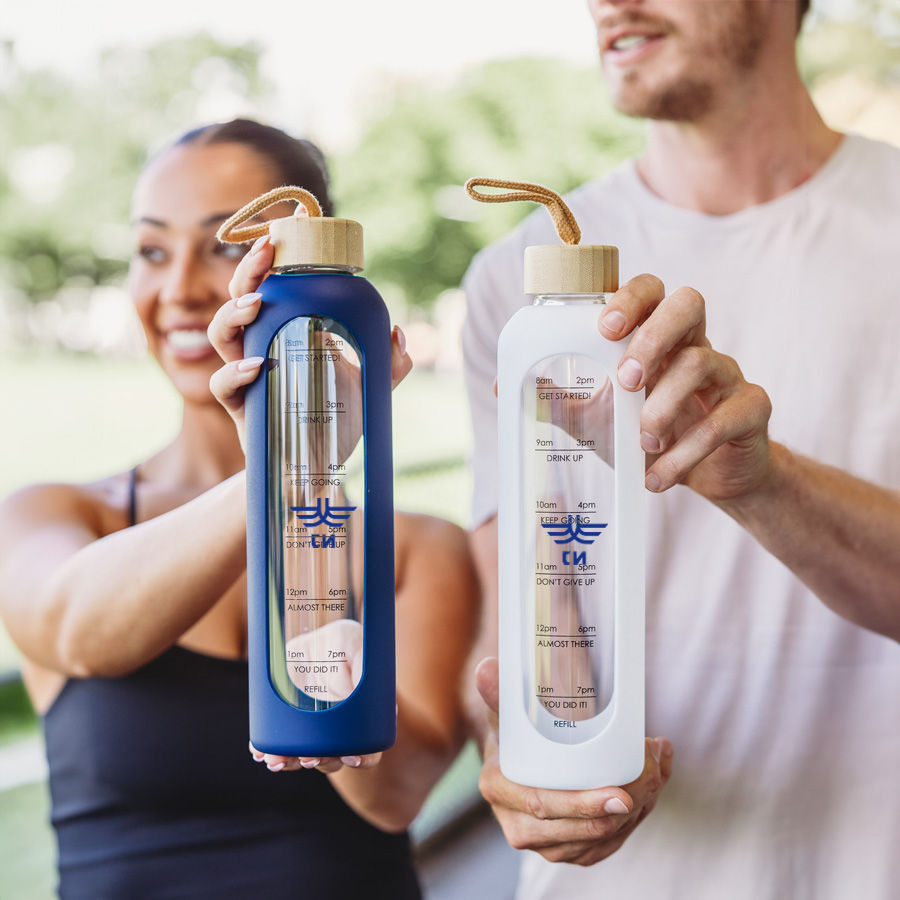
A sustainable water bottle is one that replaces single-use bottles for years, is made from a material that can be recycled or has recycled content, and is good enough that the person you give it to actually uses it. The last point matters most. A reusable bottle that sits in a cupboard has a worse footprint than no bottle at all, because the energy and material went into making it and nothing was displaced.
This guide explains how to judge a promotional water bottle on sustainability, which materials Payless Promotions supplies for sustainability-led orders, and what to ask a supplier before you commit.
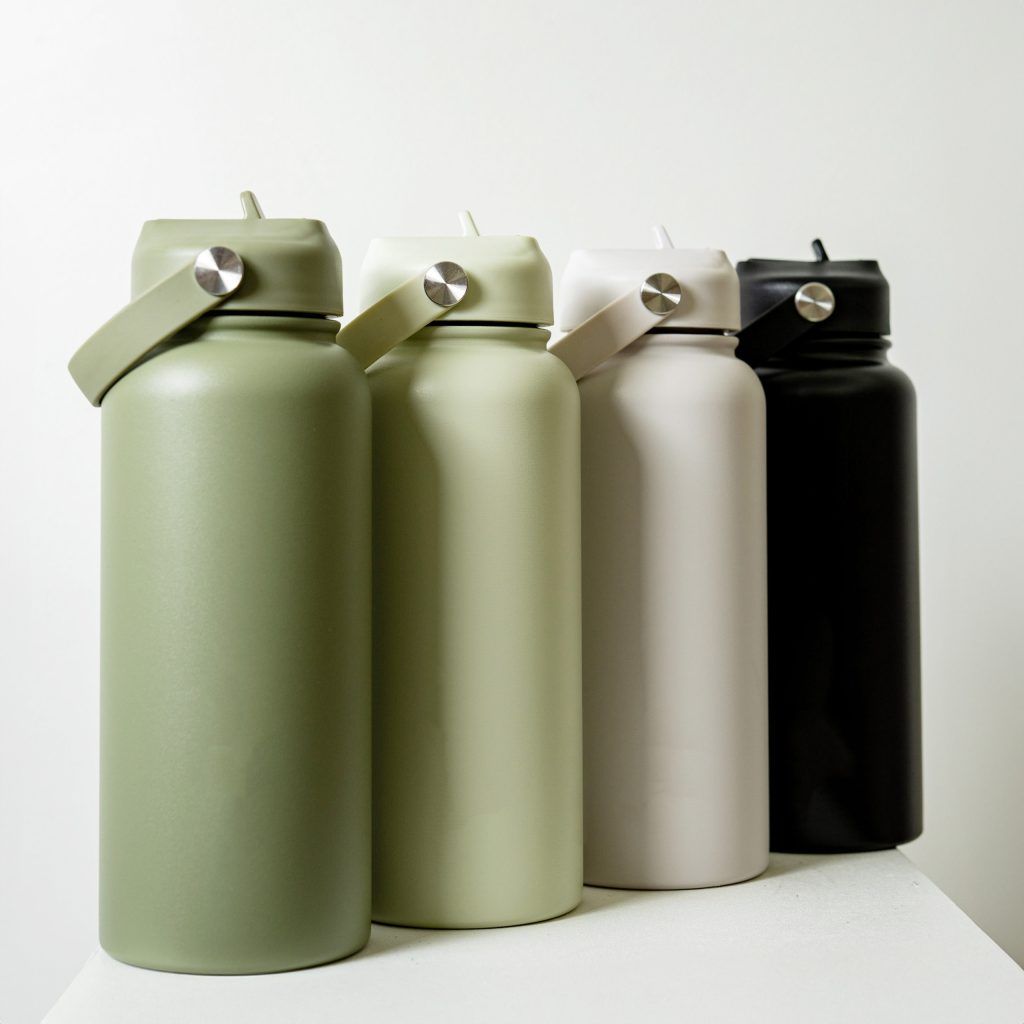
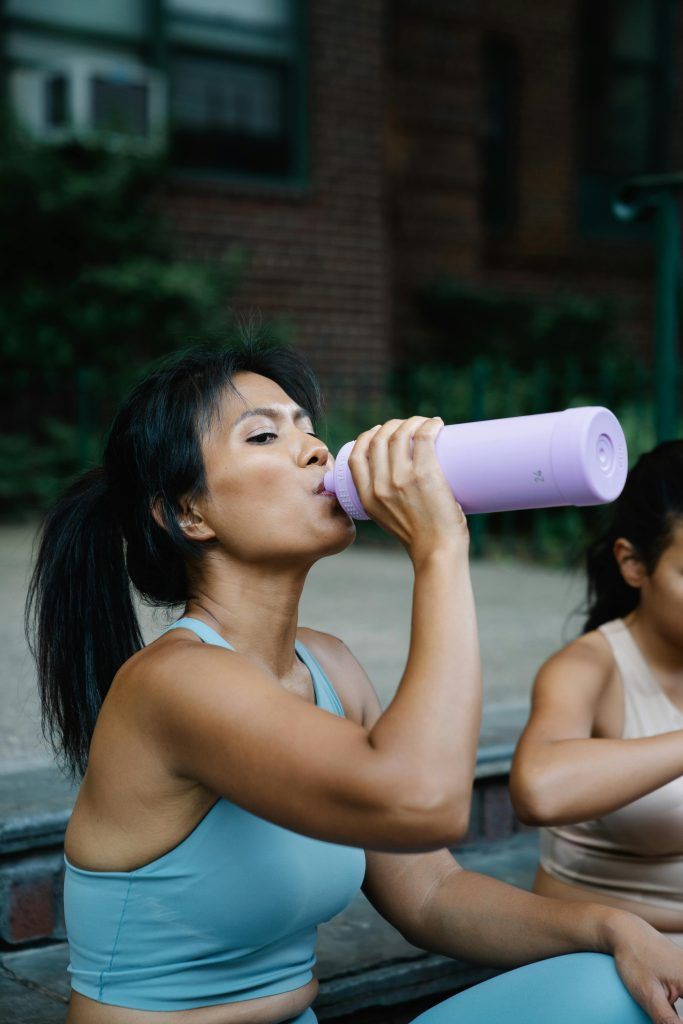
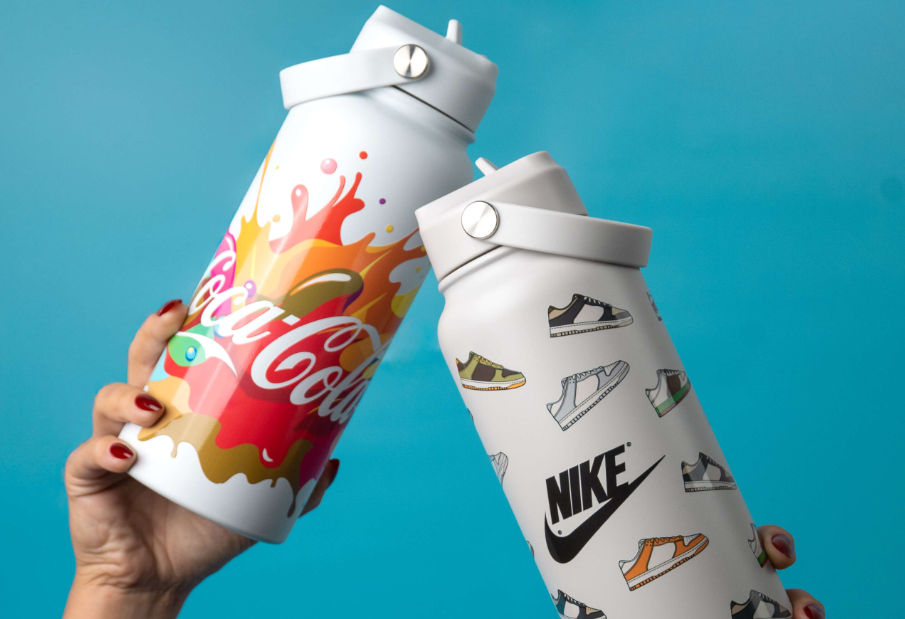
Why does the sustainability of a water bottle depend on how long it is used?
The sustainability of a water bottle depends on use because making any reusable bottle takes far more energy and material than making one single-use plastic bottle. A reusable bottle only comes out ahead once it has displaced enough single-use bottles to pay back that upfront cost. The heavier and more processed the bottle, the longer that payback takes. A stainless steel bottle needs to be used for many months of daily refills before it beats the single-use bottles it replaced; a lightweight recycled plastic bottle pays back faster but may not last as long.
For a business, this changes the question. The question is not “which bottle has the lowest footprint on the shelf”, it is “which bottle will this group of people still be using in two years”. A bottle chosen for the recipient (right size, right lid, fits a car cup holder, survives their day) is the sustainable one. The Payless Promotions range of promotional water bottles covers every material compared below, so you can choose on fit first.
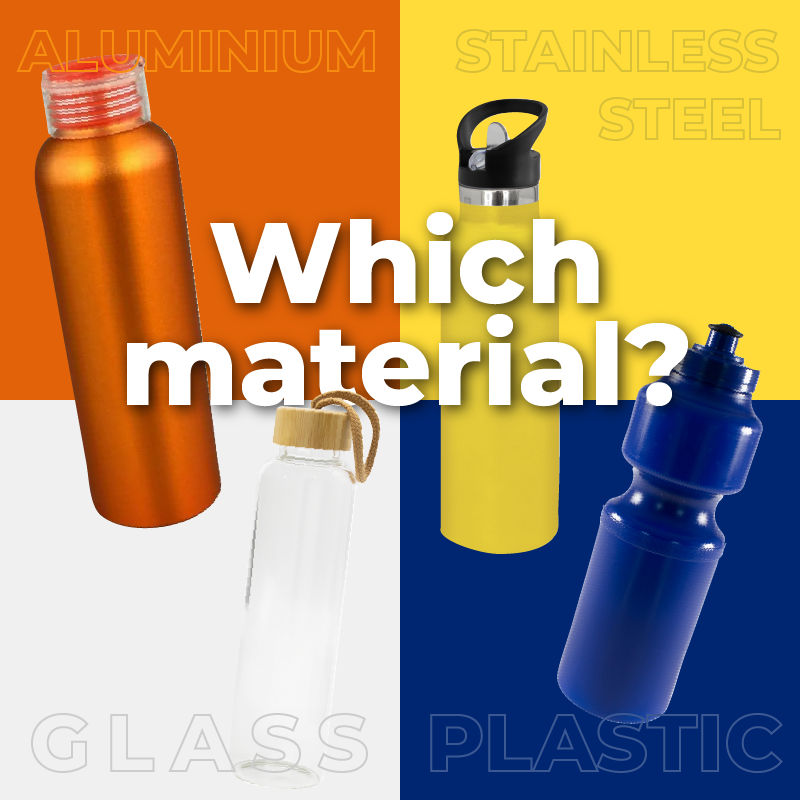
Which drink bottle material is the most sustainable?
No single material wins. Each trades off durability, recyclability, recycled content and weight differently, and the right choice depends on who will carry the bottle.
| Material | Sustainability strength | Sustainability weakness | Choose it when |
| Stainless steel | Very long lifespan, fully recyclable, no liner, no flavour retention | Highest energy to produce, heaviest to ship | The bottle is a daily-use item for staff or a client gift meant to last years |
| Recycled aluminium | Recycled content, light to ship, recyclable | Dents, usually lined, shorter life than steel | You want a metal bottle with a recycled story at a lower cost and weight |
| Recycled PET (RPET) | Made from post-consumer plastic, lightest to ship, lowest production energy | Scratches, shorter life, plastic recycling rates in Australia are limited | Large events and giveaways where weight and unit cost matter |
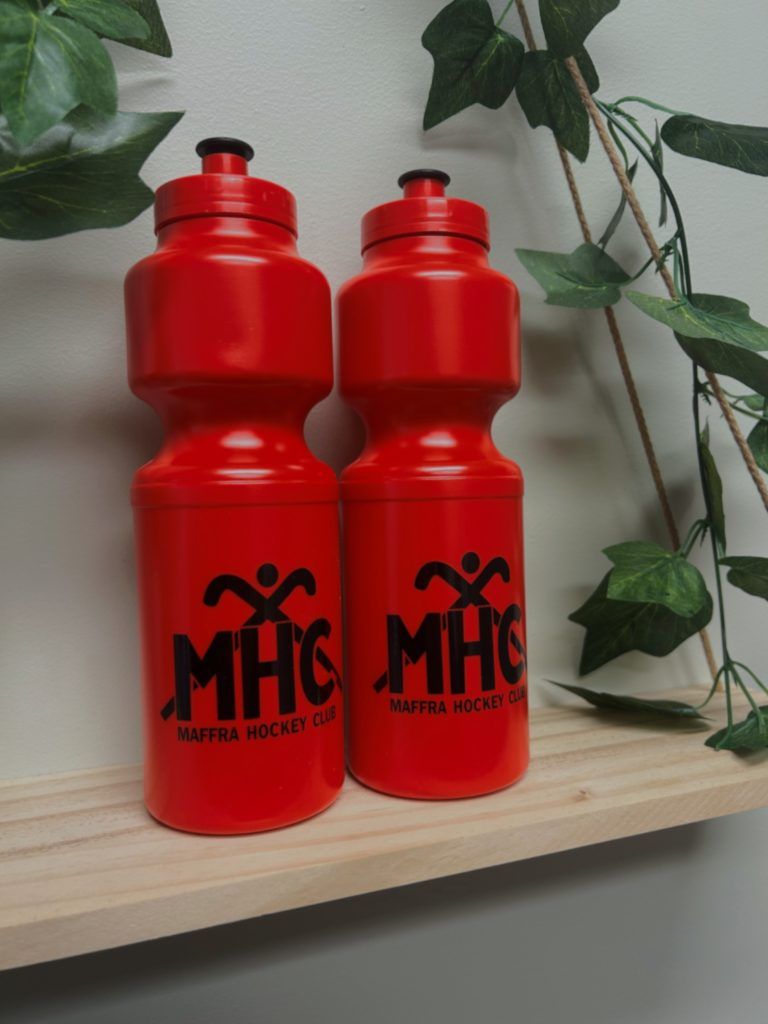
| Tritan and BPA free plastic | Durable for a plastic, long life if looked after | Virgin plastic, no recycled content unless stated | Sport and schools where glass and metal are impractical |
| Plant-based (sugar cane, wheat straw) | Renewable feedstock, lighter than metal | Composting claims depend on industrial facilities; check the spec | The brief specifically asks for bio-based materials |
| Borosilicate glass | Inert, recyclable, no flavour retention | Heavy, breaks, replaced sooner | Desk and hospitality use only |
Across the Payless Promotions range, the clearest sustainability-led options are the recycled aluminium bottles such as the Equinox recycled aluminium bottle and the Eden recycled aluminium bottle with bamboo lid, the Clear RPET bottle, the Sugar Cane eco bottle with cork lid, and for longevity any of the stainless steel bottles. The full comparison of materials on durability and branding is in our guide to glass vs stainless steel vs plastic drink bottles.
Does recycled content make a water bottle sustainable?
Recycled content makes a water bottle more sustainable only when the supplier can state what percentage is recycled and where it comes from. “Eco” on a product listing is not a claim; “made from post-consumer recycled aluminium” is. Ask for the manufacturer’s spec sheet and quote the stated figure in your own communications rather than rounding it up. If a supplier cannot give a figure, treat the bottle as virgin material for the purpose of any sustainability reporting.
Recycled content also does not cancel out a short life. A recycled plastic bottle that cracks in six months is replaced sooner than a virgin steel bottle used for six years. Weigh both.
What about the lid, the liner and the packaging?
The lid, the liner and the packaging are where most “sustainable” bottles quietly fall short.
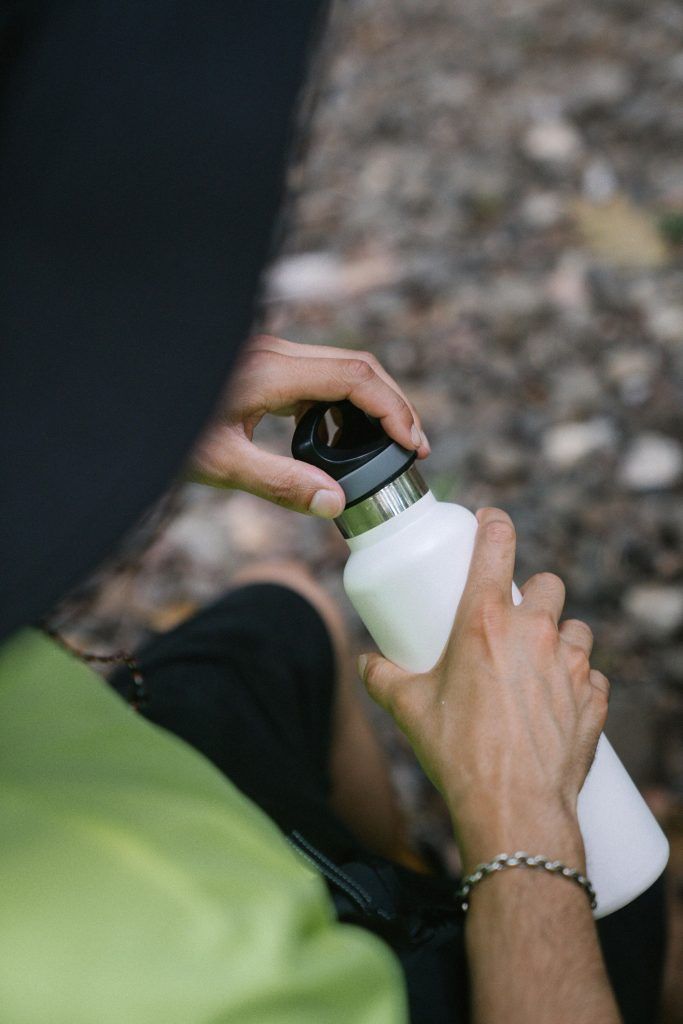
- Lids are usually plastic even on metal bottles. Bamboo and cork lids reduce plastic but need to be kept dry. A stainless steel lid, as on the Venus recycled aluminium bottle, is the most durable option.
- Liners inside aluminium bottles are a plastic or resin coating. They are necessary for taste and safety but they mean an aluminium bottle is not a pure single-material product. Stainless steel needs no liner.
- Packaging is often an individual box per bottle. For an internal staff rollout, ask for bulk packing. For a client gift, a recycled card box reads better than a plastic sleeve.
How does branding affect the sustainability of a drink bottle?
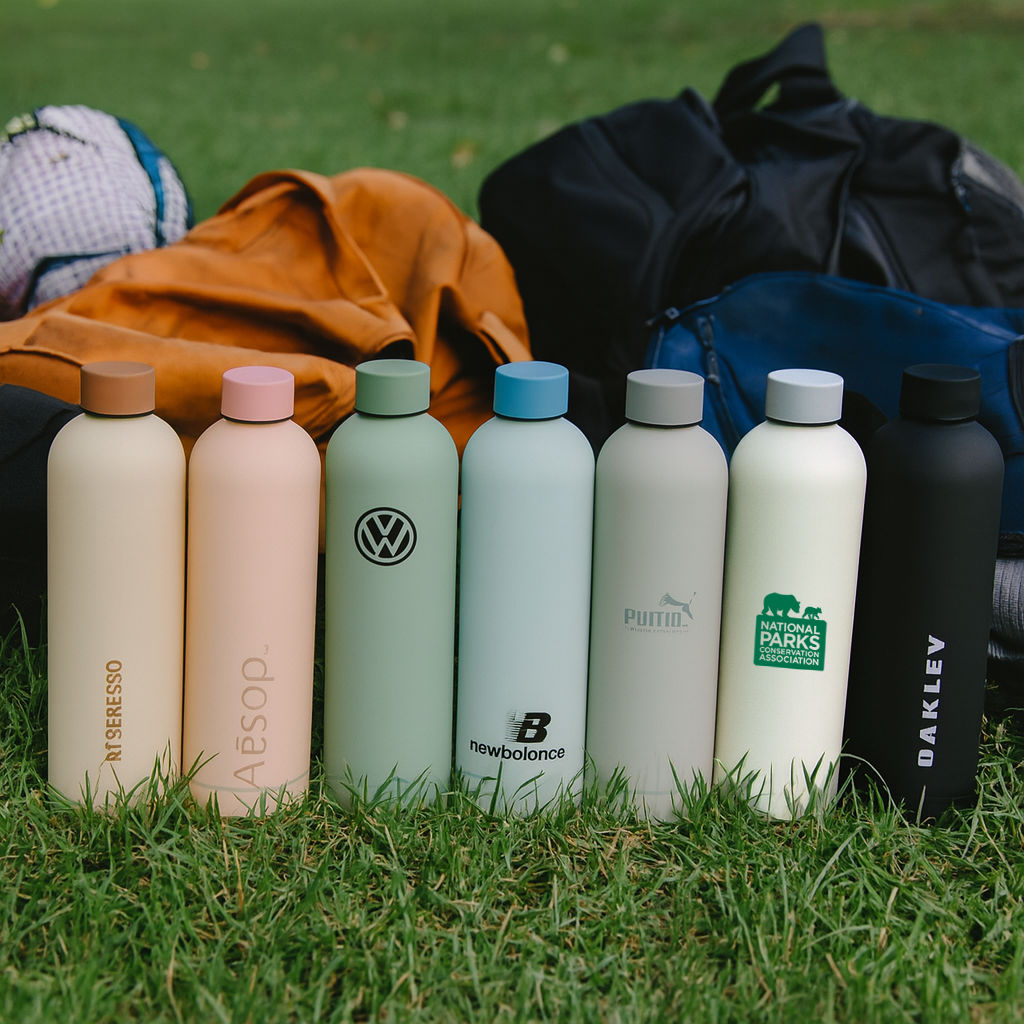
Branding affects sustainability through how long the logo lasts, because a bottle with a worn or peeling logo is more likely to be thrown out. Laser engraving on stainless steel or aluminium is permanent and uses no ink. Pad and screen printing use ink and will wear over years of dishwashing, though a well-applied print on a quality bottle lasts the useful life of most bottles. Full colour wraps look impressive but are the most likely to scuff.
Keeping the artwork simple also helps: a single-colour engraved logo on a powder coated bottle is cleaner, cheaper and longer lasting than a four-colour print, and it is the finish most corporate buyers choose for sustainability-led orders. Details of each method are on the branding methods page.
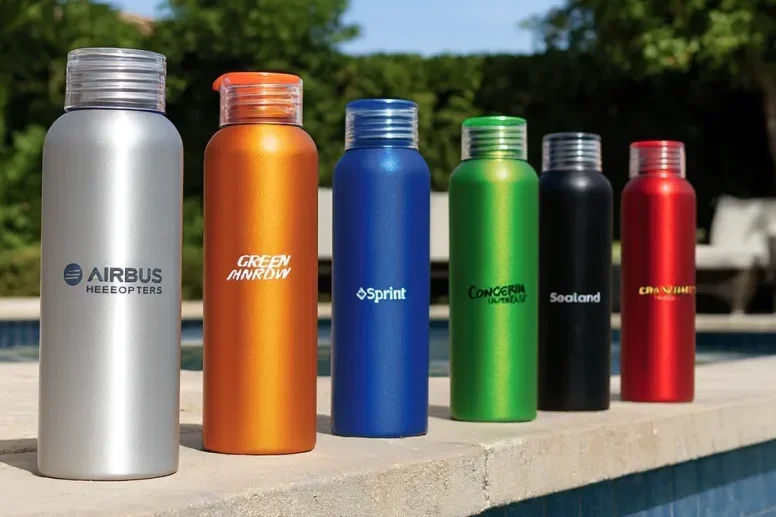
What are the benefits of giving staff and clients a reusable water bottle?
The benefits of a reusable water bottle for a business go beyond displacing single-use plastic:
- Daily visibility. A bottle that is used is seen on desks, in meetings, at the gym and in cars for years. Few other promotional items are carried that often. Insulated bottles tend to be the ones people carry every day, which our guide to insulated vs non-insulated drink bottles explains.
- A credible sustainability signal. Many organisations now report on single-use plastic reduction. A bottle rollout is a measurable action that fits those reports, provided the claims about the bottle are accurate.
- Lower cost over time. A bottle rollout usually costs less than supplying bottled water to an office or event for a year.
- Procurement fit. Government and enterprise buyers with social procurement or environmental policies can specify recycled content, Australian made options and supplier policies. Payless Promotions publishes its environmental policy and social procurement policy for exactly this purpose.
What should you ask a supplier before ordering sustainable water bottles?
- What is the bottle made of, and what percentage is recycled content? Ask for the spec sheet.
- Is it BPA free, and is the liner (for aluminium) food safe?
- Is it dishwasher safe? A bottle that cannot be cleaned easily will be abandoned.
- Which branding method will you use, and how long will the logo last?
- How is it packed, and can it be bulk packed?
- Is there an Australian made option for this style?
- What is the minimum order and the lead time?
Choosing sustainable promotional water bottles with Payless Promotions
Payless Promotions supplies recycled aluminium, recycled PET, plant-based, Australian made BPA free plastic and stainless steel drink bottles, branded by laser engraving, pad print, screen print or full colour, delivered Australia-wide. Tell us who the bottles are for and whether the order needs to support a sustainability report, and we will recommend the material and branding method that fits. Browse the promotional water bottles range or the wider eco friendly promotional products collection, or send your logo and quantity for a quote.
